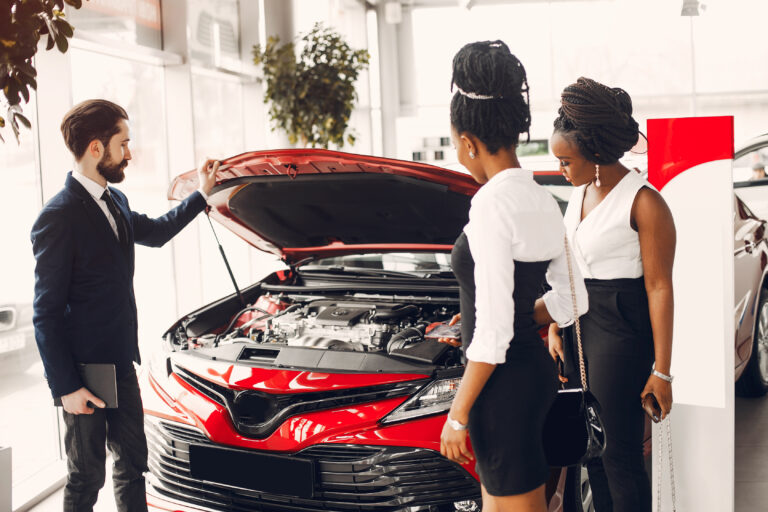
Buying a car in Jamaica is a big decision. Fuel prices, road conditions, insurance costs, and the price of spare parts all shape which car makes sense for you. The good news is that you have plenty of places to look. The harder part is knowing which one suits your budget, your needs, and your comfort level with risk.
This blog walks through the main places to find cars for sale in Jamaica, what each one offers, and how to avoid the mistakes many buyers make.
1. Authorized Franchise Dealers
If you want peace of mind, franchise dealers are the safest place to start. These are the official dealerships for brands like Toyota, Honda, Nissan, Suzuki, Hyundai, and Kia.
Why buy here:
- You can buy brand new cars with a full manufacturer warranty.
- Many dealers also sell certified pre-owned vehicles that have been inspected.
- Service centers and genuine spare parts are usually under the same roof.
- Financing and insurance help is often available on site.
The downside: Prices are higher. A new car also loses value quickly in the first few years. If you have the budget and want a worry-free purchase, this is the best route. Continue reading if your budget is more constrained.
2. Used Car Dealers and Import Lots
Jamaica has a large market for used cars, and much of it comes from Japan. You will find many dealerships and lots across Kingston, St. Andrew, Spanish Town, Mandeville, Montego Bay, and other major towns, with one dealer often selling dozens of cars on a single lot.
Why buy here:
- You get a wide choice of makes, models, and prices in one place.
- Cars are often newer than what you could afford brand new.
- You can compare several vehicles in a single afternoon.
- Many dealers offer financing or payment plans.
What to watch for: Quality varies a lot between dealers. Some are careful and honest. Others are less so. Always ask for the car’s history and any import documents, and never rely only on what the salesperson tells you. A good dealer will not mind you bringing your own mechanic for an inspection. If a dealer refuses, treat that as a warning sign.
3. Online Marketplaces
Today, many people begin their search on their phones. Online platforms have made it much easier to compare prices without driving all over the island.
Popular options include:
- Facebook Marketplace and Facebook groups. Many private sellers and small dealers list cars here. You can often message the seller directly and ask for extra photos or videos.
- Local classified websites. Several Jamaican sites list cars from both dealers and private owners, with filters for price, make, year, and parish.
- Newspaper classifieds online. The Gleaner and the Observer still run classified sections, and they are worth checking.
Why buy here:
- You can see hundreds of listings in minutes.
- Prices are easy to compare.
- Private sellers are sometimes more flexible on price.
What to watch for: Online scams exist. Be careful of any seller who asks for a deposit before you have seen the car, pushes you to decide fast, or offers a price that looks too good to be true. It usually is. Always meet in a safe, public place, and see the car in person before you pay anything.
4. Buying Directly from Private Owners
Sometimes the best deal comes from an ordinary person who is simply selling their own car. Look for neighborhood notices, word of mouth, church and workplace boards, and social media posts.
Why buy here:
- Prices are often lower because there is no dealer profit.
- You can ask the owner directly how the car was used and cared for.
- A one-owner car with service records can be a real find.
What to watch for: You get no warranty, and you must handle all the paperwork yourself. Ask for the registration papers, and check that the name on them matches the seller’s ID. Confirm there is no loan or debt still attached to the car. If something goes wrong after the sale, you have very little protection.
5. Auctions and Repossessed Vehicles
Banks, credit unions, and other lenders sometimes sell cars that were repossessed from borrowers who could not keep up payments. These vehicles are often sold at a discount.
Why buy here:
- Prices can be well below market value.
- Sales are usually run by established institutions.
What to watch for: Cars are typically sold “as is.” Some may have been sitting for months, or may need repairs. This option works best for buyers who know cars well or have a trusted mechanic to help. Ask about the terms of sale before you bid.
6. Importing a Car Yourself
Some buyers choose to import a car directly, usually from Japan, the United States, or the United Kingdom. Because Jamaica drives on the left, most people choose right-hand-drive vehicles, which is why Japanese imports are so common here.
Why do it:
- You choose the exact car you want.
- You may get a better price or a lower mileage than what is available locally.
What to watch for: Importing is more complicated than it sounds. You must think about shipping, customs duties, taxes, and the rules on the age and type of vehicle you can bring in. These rules and rates can change, so check the current requirements with the Jamaica Customs Agency and a licensed customs broker before you commit any money. Many people use a reliable local importer to handle the process for them.
How to Choose the Right Car for Jamaican Roads
Whichever source you use, the car itself should fit your life here. A few things to keep in mind:
- Fuel efficiency. With fuel prices where they are, a small or hybrid car can save you a lot each month.
- Spare parts. Popular models from Toyota, Honda, Nissan, and Suzuki have parts that are easy to find and affordable. A rare model can be hard to repair.
- Ground clearance. Potholes and rough country roads are hard on low cars. If you drive outside the main towns, consider a small SUV or a car with higher suspension.
- Insurance cost. Get a quote before you buy. Some cars are much more expensive to insure than others.
- Resale value. Well-known brands usually hold their value better if you decide to sell later.
A Simple Checklist Before You Pay
Before you hand over any money, go through these steps:
- Inspect the car in daylight. Look for rust, mismatched paint, and uneven gaps between body panels, which can point to past accidents.
- Take a proper test drive. Listen for strange noises and check the brakes, steering, and air conditioning.
- Get a trusted mechanic to check it. A small fee now can save you a large repair bill later.
- Check the papers. Confirm the chassis and engine numbers match the documents, and that the seller is the legal owner.
- Confirm the fitness and registration situation. Vehicles need a valid fitness certificate from the Island Traffic Authority and proper registration through Tax Administration Jamaica. Ask what is current and what still needs to be done.
- Negotiate. Prices are rarely fixed. Polite, informed bargaining often brings the price down.
- Get everything in writing. Keep a receipt or agreement showing the price, the car details, and any promises the seller made.
So, Where Is the Best Place?
There is no single best place for everyone. It depends on what you value most:
- Want safety and warranty? Go to an authorized franchise dealer.
- Want variety and good value? Visit reputable used car dealers.
- Want to compare fast? Start with online marketplaces.
- Want the lowest price and know cars well? Try private owners or auctions.
- Want a specific model? Look into importing, with the right professional help.
Many smart buyers combine these methods. They browse online to learn prices, visit a few dealers to test drive, and then make their final choice with a mechanic’s advice.
Conclusion
Finding a good car in Jamaica takes patience, but it is very doable. Set a clear budget that includes insurance, licensing, and maintenance, not just the sticker price. Do your research, ask questions, and never rush. The right car is out there, and with a careful approach, you can drive away confident that you made a good choice.