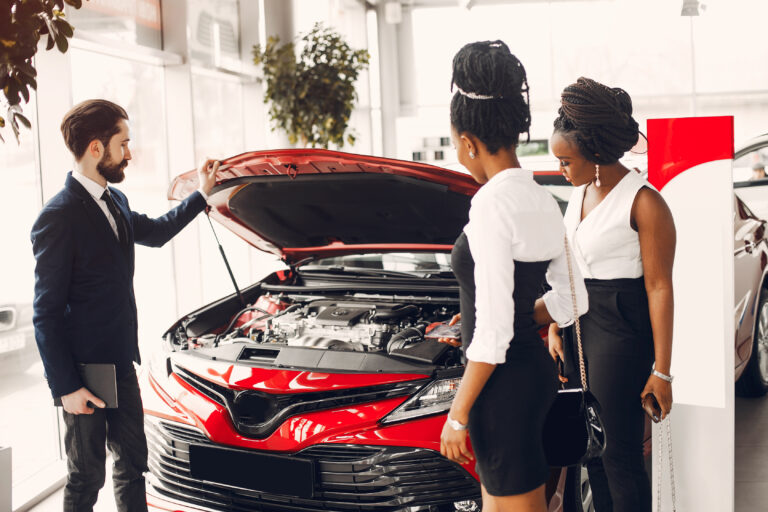
Buying a used car in Jamaica can be a smart way to get behind the wheel without breaking the bank. With so many options available from Japanese imports to locally owned vehicles there’s something for every budget and need. But used cars come with hidden risks, and if you don’t know what to look for, you could end up spending your hard-earned money on a vehicle that causes nothing but headaches. This blog walks you through everything you should check before making that purchase.
Why Buying Used Makes Sense in Jamaica
Jamaica has a thriving used car market, largely fueled by imports from Japan, the UK, and the United States. These vehicles often arrive in excellent condition, having been well maintained in their countries of origin. Buying used also means you avoid the steep depreciation that hits new cars the moment they leave the dealership. However, the savings only make sense if the car you buy is actually in good shape and won’t cost you a fortune in repairs down the line.
1. Check the Car’s Documentation First
Before you even look under the hood, ask for the paperwork. This is one of the most important steps and one that many buyers skip in their excitement.
- Title and Registration: Make sure the seller actually owns the car and that the details on the registration match the vehicle in front of you (chassis number, engine number, make, and model).
- Import Documents: If it’s an imported vehicle, check the customs paperwork to confirm duties were paid properly. Skipping this can lead to legal trouble later.
- Fitness Certificate: In Jamaica, vehicles need a valid fitness certificate to be legally driven. Check that it’s current or ask when it’s due for renewal.
- Service History: A seller who has kept records of oil changes, repairs, and maintenance is usually someone who took good care of the car.
If any of these documents are missing or look altered, treat it as a red flag and ask questions before moving forward.
2. Inspect the Body and Frame for Damage
Jamaica’s roads, weather, and coastal air can be tough on vehicles, so a thorough visual inspection matters.
- Rust and Corrosion: Check the wheel arches, underside, door sills, and trunk floor for rust, especially if the car has spent time near the coast.
- Panel Alignment: Look at the gaps between doors, the hood, and the trunk. Uneven gaps can mean the car was in an accident and repaired.
- Paint Matching: Slightly different paint shades on one panel compared to others often mean bodywork was done after a collision.
- Frame Damage: If possible, have a mechanic check the frame for bends or previous major repairs, as this affects both safety and resale value.
3. Look Closely at the Engine
The engine is the heart of the car, and problems here can be the most expensive to fix.
- Start it Cold: Ask to start the car when the engine is completely cold. A healthy engine should start smoothly without excessive smoke, knocking, or hesitation.
- Check for Leaks: Look under the car for oil, coolant, or transmission fluid leaks.
- Listen to the Sound: Unusual noises like knocking, ticking, or grinding can point to internal engine problems.
- Check the Oil: Pull the dipstick and look at the oil’s color and texture. Dark, gritty, or milky oil can signal poor maintenance or bigger issues.
- Exhaust Smoke: Blue smoke suggests the engine is burning oil, while white smoke could mean a coolant leak into the engine.
4. Test the Transmission
Whether the car is manual or automatic, the transmission needs a careful check.
- Smooth Gear Shifts: For manual cars, the clutch should engage smoothly without grinding or slipping. For automatics, gear changes should be seamless, without jerking or delay.
- Take it for a Drive: A test drive is non-negotiable. Drive at different speeds, accelerate, brake, and take some turns to feel how the car responds.
- Listen for Whining or Clunking: These sounds during gear changes often point to transmission wear.
5. Examine the Tires and Suspension
Tires and suspension affect both safety and comfort, and they can reveal a lot about how the car was driven and maintained.
- Tire Tread: Uneven wear can indicate alignment issues or suspension problems.
- Tire Age: Even tires with good tread can be old and unsafe. Check the manufacture date on the sidewall.
- Bounce Test: Push down on each corner of the car and let go. If it bounces more than once or twice, the shocks or struts may need replacing.
- Steering Response: While test driving, notice if the steering feels loose, pulls to one side, or vibrates.
6. Check the Electrical System
Modern cars rely heavily on electronics, so this step is easy to overlook but important.
- Lights: Hazard lights, brake lights, indicators, and test headlights.
- Air Conditioning: Given Jamaica’s climate, a working AC system is essential. Turn it on and check how quickly and effectively it cools.
- Dashboard Warning Lights: Turn the ignition on and watch for warning lights that stay on after starting, which could indicate underlying problems.
- Power Windows, Locks, and Infotainment: Test every button and switch to make sure they work as expected.
7. Verify the Mileage
Odometer fraud does happen, so it pays to be cautious.
- Compare Mileage to Wear: Does the mileage match the condition of the pedals, steering wheel, and seats? A car with low mileage shouldn’t show heavy wear in these areas.
- Check Service Records: If the service history lists mileage at each visit, compare it against the current reading to see if the numbers make sense.
8. Get a Professional Inspection
Even if you feel confident checking most of these points yourself, having a trusted, independent mechanic inspect the car before you buy is one of the smartest moves you can make. A professional can spot issues that aren’t obvious to the average buyer and give you a clearer picture of what repairs might be needed soon, which can also help you negotiate a fairer price.
9. Research the Seller and the Price
Finally, do a little homework on the seller and the going rate for the model you want.
- Compare Prices: Look at similar cars for sale in Jamaica to see if the asking price is reasonable.
- Seller Reputation: If buying from a dealer, check reviews or ask around. If buying from a private seller, meet in a safe, public location and bring someone with you if possible.
- Negotiate with Confidence: Armed with your inspection findings, you’ll be in a much stronger position to negotiate a fair price or ask the seller to fix specific issues before the sale.
Conclusion
Buying a used car in Jamaica doesn’t have to be stressful if you go in prepared. Taking the time to check the documentation, inspect the body and engine, test the transmission, and verify the mileage can save you from costly surprises later. Pairing your own checks with a professional inspection gives you the best chance of driving away with a reliable vehicle that suits your needs and your budget. A little patience and diligence now can mean years of trouble-free driving ahead.