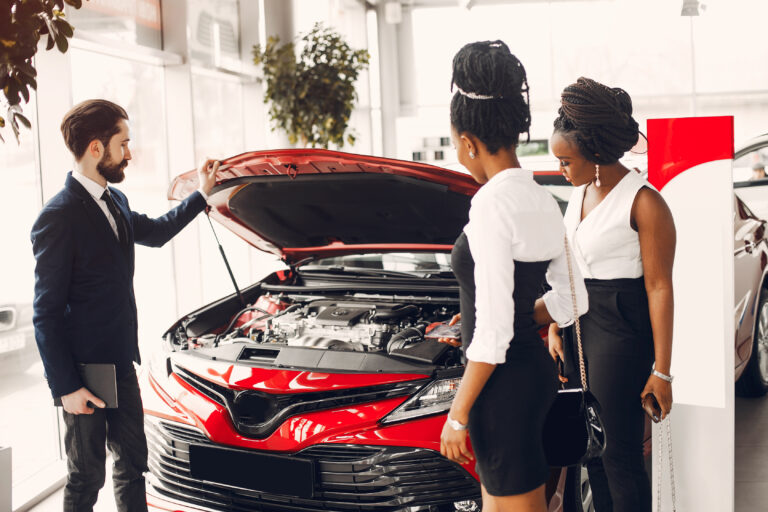
Buying a vehicle in Jamaica is a big decision. Whether you need a small car for daily errands in Kingston, a sturdy pickup for work in St. Elizabeth, or a family SUV for weekend trips to Ocho Rios, the right choice can save you money and stress for years. The wrong one can drain your wallet through repairs, high fuel costs, and paperwork headaches.
The good news is that finding a good vehicle is not as hard as it seems. With a clear plan and a little patience, you can make a smart purchase. Here is a step-by-step guide to help you do it.
1. Start With Your Real Needs
Before you look at a single listing, ask yourself some honest questions.
- What will you use the vehicle for? If you mostly drive in the city, a compact car with good fuel economy makes sense. If you travel on rough country roads or carry heavy loads, you may need a vehicle with higher ground clearance or a stronger engine.
- How many people will you carry? A single person or a couple can manage with a small hatchback. A growing family will need more seats and more boot space.
- What are your daily habits? Long commutes, school runs, and business deliveries all put different demands on a vehicle.
Writing down your answers gives you a clear target. It also stops you from falling for a flashy car that does not fit your life.
2. Set a Realistic Budget
Your budget should cover more than the price tag. Many buyers make the mistake of spending everything on the purchase and forgetting the extra costs that follow. Think about:
- The purchase price of the vehicle
- Licensing and registration fees
- Insurance, which varies by vehicle type, age, and value
- Fuel costs, which can add up quickly with larger engines
- Maintenance and repairs, including tyres, oil changes, and brakes
- Transfer costs, if you are buying from a private seller
A good rule of thumb is to keep some money aside, even a small amount, for unexpected repairs in the first few months. Even a good used vehicle may need a few small fixes.
If you plan to finance your purchase, speak with your bank or credit union early. Ask about interest rates, down payment requirements, and the total amount you will repay over time. Knowing your approved amount helps you shop with confidence.
3. Decide Between New, Used, or Imported
In Jamaica, buyers usually choose from three main options. Each has its own pros and cons.
- Brand-new vehicles come with a warranty, the latest features, and no hidden history. The downside is the higher price and faster loss of value in the first few years.
- Locally used vehicles are often more affordable, and you can inspect them in person. The challenge is checking how well the previous owner looked after them.
- Imported used vehicles are very popular here, especially from Japan. They often offer good value, low mileage, and modern features for the price. However, you should check the import documents, the condition of the vehicle, and whether spare parts are easy to find in Jamaica.
Think about your comfort level, your budget, and how much risk you are willing to take. There is no single right answer, only the answer that suits you best.
4. Choose a Vehicle That Suits Jamaican Roads
Jamaican driving conditions are unique. Some roads are smooth, but others have potholes, steep hills, and sharp bends. Heavy rain can also cause flooding in some areas.
Because of this, look for vehicles that handle local conditions well. Popular choices often include Toyota, Honda, Nissan, Suzuki, and Mazda models. These brands are well known for reliability, and parts are usually easy to find. Mechanics across the island also know how to work on them, which helps keep repair costs lower.
Before you decide, do a quick check on how easy it is to find spare parts for the model you like. A rare vehicle may look great but become a burden if parts take weeks to arrive.
5. Search in the Right Places
Once you know what you want, it is time to start looking. There are several good places to find vehicles for sale in Jamaica.
- Online marketplaces and classified websites. These are a great starting point. You can filter by price, make, model, and location, and compare many options from your phone or computer.
- Social media groups. Facebook groups and Instagram pages dedicated to car sales are very active in Jamaica. Just be extra careful here, as scams can happen.
- Car dealerships. Dealers offer a wide range of vehicles and often help with paperwork, financing, and sometimes short warranties. Prices may be a little higher, but the added support can be worth it.
- Word of mouth. Tell friends, family, and co-workers you are looking. Many good deals never reach the internet, and a vehicle from someone you trust can be a safer bet.
Compare at least five or six options before you decide. Seeing several vehicles helps you understand what a fair price looks like.
6. Inspect the Vehicle Carefully
Never buy a vehicle based on photos alone. Always see it in person, and take your time.
- Check the outside. Look for rust, dents, uneven paint, or mismatched panels. These can be signs of past accidents.
- Check the inside. Test the seats, air conditioning, windows, lights, radio, and dashboard warning lights.
- Look under the bonnet. Check for oil leaks, worn belts, and dirty fluids. A very clean engine on an old car can sometimes mean someone is hiding a problem.
- Inspect the tires. Uneven wear could indicate suspension or alignment problems.
- Take a test drive. Drive on different types of roads if you can. Listen for strange noises. Feel how the brakes, steering, and gears respond.
If you are not confident about mechanical details, bring a trusted mechanic with you. Paying a small fee for a professional inspection can save you from a very costly mistake.
7. Verify the Paperwork
Good paperwork is just as important as a good engine. Before you pay anything, confirm the following:
- The seller’s name matches the name on the registration documents
- The chassis and engine numbers match the vehicle
- The registration and fitness are up to date
- There are no outstanding loans or legal claims on the vehicle
- For imported vehicles, the customs and import documents are complete
Never rush this step. If the seller is unwilling to show documents or gives vague answers, walk away. There will always be another vehicle.
8. Negotiate Wisely
Most sellers in Jamaica expect some negotiation, so do not be shy. Use what you learned from comparing other vehicles and from your inspection.
If you found small problems, such as worn tyres or a faulty light, use them to ask for a lower price. Stay polite and calm. A friendly attitude often gets better results than pressure.
Also, be ready to walk away. If the price does not feel right, thank the seller and move on. Sometimes that decision alone brings the price down.
9. Protect Yourself From Scams
Unfortunately, vehicle scams do exist. Keep these safety tips in mind:
- Deals that look too good to be true should be avoided. They usually are.
- Never send a deposit to someone you have not met or a vehicle you have not seen.
- Bring a companion and meet in public, secure locations.
- Use traceable payment methods and always get a written receipt.
- Do not hand over money until the paperwork is checked and ready for transfer.
Trust your instincts. If something feels wrong, it probably is.
10. Complete the Purchase Properly
Once you are happy, finish the process correctly. Sign a proper agreement, collect all documents, and transfer ownership as required. Arrange insurance before you drive away, and make sure the vehicle has valid registration and fitness.
After buying, consider giving the vehicle a basic service, such as an oil change and a general check-up. This gives you a fresh start and helps you spot any hidden problems early.
Conclusion
Finding the right vehicle for sale in Jamaica comes down to preparation, patience, and smart checking. Know your needs, set a realistic budget, search in trusted places, inspect carefully, and verify every document. Do not let excitement or pressure push you into a quick decision.
A car is more than just a means of transportation. It is an investment in your daily comfort, safety, and freedom. Take your time, ask questions, and choose wisely. With the right approach, you will drive away with a vehicle you can rely on for years to come.