If you drive in Jamaica, you already know the roads have a personality. One minute you’re cruising along the highway, the next you’re dodging a pothole the size of a washing machine on a Kingston side street. Add steep hills in St. Andrew, heavy rain in Portland, and gas prices that make your wallet wince, and picking the right car stops being about looks. It becomes about survival.
So what should you actually buy for everyday driving? I’ve pulled together the cars that keep showing up on Jamaican roads for good reasons: they’re affordable, easy to repair, kind to your fuel budget and tough enough for our conditions. Let’s get into it.
What Makes a Good Everyday Car in Jamaica?
Before the list, it helps to know what we’re judging by. A car that’s perfect in Canada or Germany can be a headache here. These are the things that really matter:
- Parts and mechanics. If your mechanic in Spanish Town or Mandeville can’t find a part, your car sits for weeks. Popular Japanese models win here because parts are everywhere and most mechanics have worked on them for years.
- Fuel economy. With fuel costs being what they are, a car that sips instead of gulps saves you real money every month.
- Ground clearance and suspension. Bad roads eat soft suspensions for breakfast. A little extra height and sturdy shocks go a long way.
- Resale value. Some cars hold their price like gold. Others drop fast. If you plan to sell in a few years, this matters.
- Reliability in heat. Our weather is warm all year, so you want a car with a cooling system and air conditioning that won’t quit on you in traffic.
With that in mind, here are the picks.
1. Toyota Axio and Corolla: The Sensible Classic
If there’s one name Jamaicans trust, it’s Toyota, and the Axio (the Japanese-market sibling of the Corolla) is a big reason why. It’s comfortable, simple to maintain and very good on gas. Parts are cheap and easy to find, and almost any mechanic can fix one without needing a special computer.
It’s the kind of car you can drive to work in Half-Way Tree, pick the kids up from school, and take to a family function in Montego Bay on the weekend without worrying. It also holds its resale value well, which is a nice bonus when you’re ready to upgrade.
Best for: Office workers, small families, anyone who wants a no-drama car.
2. Toyota Probox and Succeed: The Workhorse
Not glamorous, but incredibly useful. The Probox and its twin, the Succeed, are small wagons with a big cargo area and a reputation for being almost unbreakable. You’ll see them everywhere in Jamaica, from small business owners making deliveries to families who just need space.
They’re light, which helps fuel economy, and the suspension handles rough roads better than you’d expect. If you sell products, run a small business or need room for gear, this is one of the most practical vehicles you can own.
Best for: Small business owners, delivery work, people who haul things regularly.
3. Honda Fit: Small Outside, Big Inside
The Honda Fit is one of those cars that feels like it shouldn’t fit as much as it does. The rear seats fold flat in clever ways, so you can carry bulky items or a full week of groceries without trouble. It’s also easy to park, which is a gift when you’re hunting for a spot in New Kingston.
Fuel economy is excellent, and the car feels lively in city traffic. The thing to watch for is maintenance history. Since many are imported used, check service records and have a trusted mechanic look it over before you buy.
Best for: City drivers, young professionals, anyone who values flexibility.
4. Suzuki Swift: Fun and Frugal
The Swift proves that a budget car doesn’t have to be boring. It’s light, nimble and economical, and it handles curvy roads with a bit of personality. Whether you’re winding through the hills of St. Mary or squeezing through downtown traffic, it feels at home.
Parts are reasonably easy to find, and the running costs are low. It’s a smart pick for first-time car owners who want something fun that won’t drain their savings.
Best for: First-time buyers, students, solo commuters.
5. Nissan Note and Tiida: Comfortable and Practical
The Nissan Note is a quiet favorite. It has a roomy cabin for its size, a smooth ride and decent fuel economy. The Tiida offers a bit more of a traditional sedan or hatchback feel, with comfortable seats that make longer drives less tiring.
Both are widely available as used imports, which keeps prices friendly. As with any car, look closely at the transmission and ask about its history, since a well-maintained example is worth far more than a cheap one that’s been neglected.
Best for: Families who want comfort without paying for a bigger vehicle.
6. Toyota Aqua and Prius: The Fuel Savers
If fuel cost is your biggest worry, hybrids deserve a serious look. The Toyota Aqua and Prius use a battery and electric motor alongside the engine, which cuts fuel use dramatically, especially in stop-and-go traffic. And let’s be honest, traffic in the Corporate Area is basically a test of patience.
The trade-off is the hybrid battery. It can be costly to replace if it fails, so it’s worth getting it checked before you buy. The good news is that Toyota’s hybrid systems have a strong reputation for lasting, and many owners get years of trouble-free driving.
Best for: Long commuters, anyone spending a lot on fuel each month.
7. Honda Vezel and Toyota RAV4: When You Want a Bit More Height
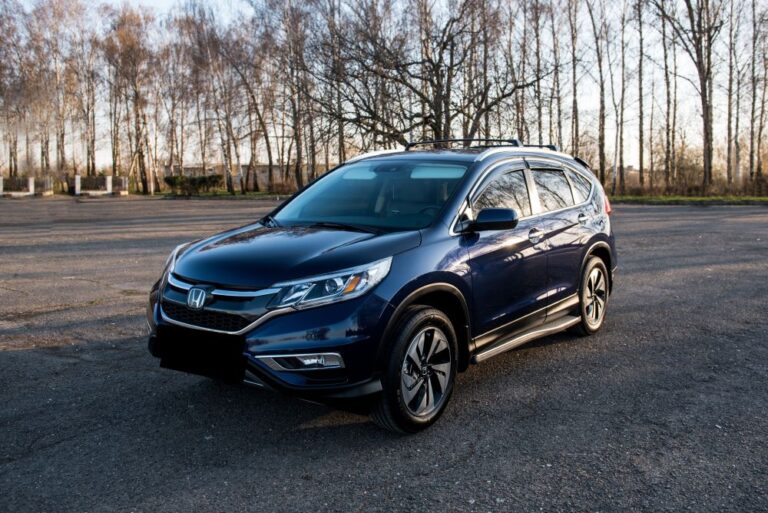
Compact SUVs have become very popular here, and it’s easy to see why. The higher seating position gives you a better view of the road, and the extra ground clearance helps when the road gets rough or flooded after heavy rain.
The Honda Vezel is stylish, efficient and comfortable, while the RAV4 is tougher and better suited to those who travel across the island often. They cost more to buy and run than a small hatchback, but if your daily route includes bad roads or hills, the extra capability can be worth it.
Best for: Families, drivers in rural or hilly areas, anyone who wants a bit more space and confidence.
8. Toyota Hilux: The Tough One
For those who need real strength, the Hilux is a legend. It handles rough terrain, carries heavy loads and keeps going when other vehicles would give up. Farmers, contractors and people living on difficult roads often swear by it.
It isn’t the cheapest to buy or fuel, so it’s not the right pick for a simple city commute. But if your work or location demands a rugged vehicle, nothing beats it for durability.
Best for: Farmers, contractors, rural drivers.
A Few Tips Before You Buy
Selecting the appropriate model is just half the story. How you buy matters just as much.
- Get a mechanic you trust to inspect it. Don’t rely only on the seller’s word. A proper inspection can save you from expensive surprises like rust, hidden accident damage or a tired transmission.
- Check the paperwork. Make sure the documents are in order, the chassis number matches, and the car’s history is clear. This is especially important with imported vehicles.
- Ask about service history. A car with regular maintenance is worth more than one that looks shiny but has been ignored.
- Consider the entire cost rather than just the price. Insurance, fuel, parts and servicing all add up. A cheaper car that guzzles gas and breaks often can cost far more over time.
- Take a proper test drive. Drive it over a rough patch, run the air conditioning, and listen for strange noises. If possible, try it in traffic and on a hill.
So, Which One Should You Choose?
There’s no single perfect car for everyone, but a few simple rules can point you in the right direction:
- If you want reliability and easy repairs, go for a Toyota Axio or Corolla.
- If you need space for work or business, the Probox or Succeed is hard to beat.
- If you drive mostly in the city and want flexibility, the Honda Fit fits the bill.
- If you’re on a tight budget and want something fun, the Suzuki Swift is a great start.
- If fuel costs worry you most, look at the Aqua or Prius.
- If you need extra clearance and comfort, consider a Vezel or RAV4.
- If you need serious toughness, the Hilux stands alone.
Conclusion
Driving in Jamaica comes with its own challenges, but the right car makes daily life so much easier. Focus on reliability, parts availability and fuel economy, and you’ll be in good shape no matter which model you choose.
Take your time, do your homework, and don’t be rushed by a pushy seller. The ideal vehicle for you is the one that complements your lifestyle, your routes, and your budget. Do that, and you’ll enjoy many happy miles on the road, potholes and all.