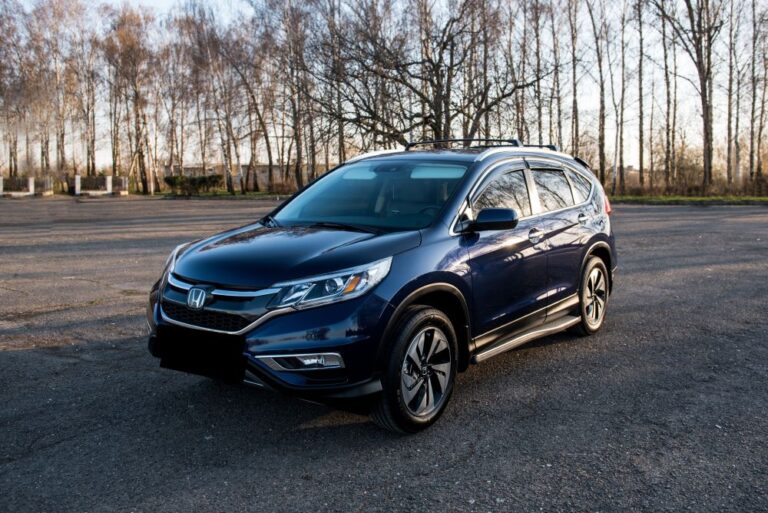
If you’ve spent any time on Jamaican roads, you’ve noticed how many Honda CR-Vs there are. Taxi drivers, young families, church members, and business owners all seem to have one. That’s not an accident. The CR-V has a reputation for being comfortable, practical, and reliable, which matters when you’re dodging potholes on a Monday morning and still need to haul groceries, kids, or both.
But popularity cuts both ways. With so many on the market, quality varies a lot. Some are well-kept gems, and others are accidents waiting to happen with a fresh coat of polish. Here’s how to find a good one without getting burned.
Start with your spending plan (and be truthful about it)
Before you scroll a single listing, work out what you can really afford. The sticker price is only part of it. Add up:
- Import duties and taxes, if you’re buying a vehicle that’s been recently imported
- Transfer fees and registration
- Insurance, which is usually higher for SUVs than for small sedans
- A cushion of at least 10 to 15 percent for immediate repairs or servicing
- Fuel, since a CR-V isn’t a motorbike
Many people stretch to the absolute limit for the car, then can’t afford a tire or a tune-up two months later. Keep some breathing room. A slightly older CR-V in great shape beats a newer one that drains your wallet.
Pick the Right Generation
Not every CR-V is the same. Knowing the generations helps you narrow your search quickly:
- Second generation (2002–2006): Affordable and tough, with a simple design that’s easy for mechanics to work on. Expect age-related wear, though.
- Third generation (2007–2011): A good middle ground. Better ride and styling, with parts that are widely available.
- Fourth generation (2012–2016): Popular with buyers who want better fuel economy and a more modern feel without a brand-new price.
- Fifth generation (2017–2022): More tech and safety features, and many come with turbo engines. Great if your budget allows.
- Sixth generation (2023 onward): Newest and priciest, with hybrid options in some markets.
Many CR-Vs in Jamaica are imported and used from Japan, so you’ll see grades and trims that differ a little from what’s sold in North America. That isn’t a problem, but it does mean you should confirm the exact model and trim before assuming parts or specs.
Know Where to Look
Cast a wide net. Seldom is the first website you visit the best deal.
- Reputable dealerships. Established dealers often offer some level of inspection, paperwork help, and sometimes short warranties. You may pay a bit more, but you also get more peace of mind. Check reviews and ask people you trust about their experience.
- Online classifieds. Jamaican car listing sites are a good place to compare prices and see what’s out there. Use them to learn the going rate for the year and mileage you want.
- Social media. Facebook groups and Marketplace move fast and can have good private sellers. They also attract scammers, so be extra careful here (more on that below).
- Word of mouth. Tell your mechanic, coworkers, and relatives you’re looking. Often the best cars are the ones that never get advertised because a friend of a friend is selling a well-kept one.
Learn What a Fair Price Looks Like
Spend a week just browsing. Note the asking prices for CR-Vs of the same year, mileage, and condition. You’ll start to see the pattern, and you’ll also spot the listings that are suspiciously cheap.
A price far below the market usually means a catch: hidden accident damage, flood damage, a rolled-back odometer, or a seller who doesn’t legally own the car. If it feels too good to be true, it almost always is.
Check the Paperwork First
Before you fall in love with the paint color, ask to see the documents. A clean paper trail saves enormous headaches later. Look for:
- The registration and the seller’s matching ID
- Proof of ownership that matches the person you’re dealing with
- Import and customs documents if the car was brought in from overseas
- Any service records or receipts
- A valid fitness certificate, though don’t treat this as proof the car is in perfect shape
Rules and fees around transfers and licensing can change, so confirm current requirements with the Tax Administration Jamaica and the relevant licensing authorities rather than relying on what a seller tells you. Verify that the car’s chassis number corresponds with the documentation. If anything looks off, walk away. There will always be another CR-V.
Inspect the Car Like You Mean It
Go during the day and take your time when you view the car in person. Don’t let a seller rush you.
- Outside: Look for uneven gaps between panels, mismatched paint, or overspray on rubber trims. These can signal accident repairs. Examine the tires for uneven wear, as this may indicate suspension or alignment issues.
- Inside: Sniff for a musty smell and check the carpets and under the seats for dampness or silt. Jamaica gets heavy rain and the occasional flood, and water-damaged cars can be dressed up to look fine. Test every switch, window, and the air conditioning. Working AC is not optional here.
- Under the hood: Look for leaks, cracked belts, and dirty or milky oil. Check the coolant and the battery.
- Underneath: Rust and damage from rough roads matter. Put the car in a lift if you can.
Always Take It for a Real Test Drive
A quick spin around the block won’t tell you much. Drive it on different surfaces: a smooth road, a rough one, a hill, and some stop-and-go traffic if you can. Listen for knocking, grinding, or whining. Pay attention to whether it pulls to one side, whether the gears shift smoothly, and whether the brakes feel firm.
Turn the radio off. Your ears are your best tool.
Get a Trusted Mechanic to Check It
This is the single best money you’ll spend. Pay a mechanic you trust, ideally one familiar with Hondas and not one the seller recommends, to inspect the CR-V before you commit. A fee of a few thousand dollars can save you from a mistake that costs hundreds of thousands.
Ask the mechanic about the engine, transmission, suspension, and signs of past collisions. If the seller refuses to allow an independent inspection, that tells you everything you need to know.
Watch Out for Common Scams
Unfortunately, car buying has its share of tricksters. Stay alert for:
- Before you’ve viewed the vehicle, sellers who demand a deposit
- Pressure to decide today because “someone else is coming”
- Automobiles with no apparent owner that are “being offered for a friend”
- Pictures that look copied from other listings
- Refusal to meet in a public, safe place
Never send money to someone you haven’t met in person, and bring someone with you when you go to see the car.
Negotiate With Confidence
Most sellers expect some back and forth. Use what you found during the inspection to make your case. If the tires need replacing or the brakes are worn, that’s a legitimate reason to ask for a lower price. Stay polite but firm, and be ready to walk away. Your willingness to leave is your strongest bargaining chip.
Finish the Deal Properly
Once you agree on a price, get everything in writing. Sign a receipt or sales agreement, complete the transfer paperwork promptly, and arrange insurance before you drive away. Keep copies of every document. Then book a full service, including oil, filters, and fluids, so you start fresh with a known maintenance baseline.
Conclusion
Finding the best Honda CR-V in Jamaica comes down to patience, preparation, and a little healthy suspicion. Set a realistic budget, learn the market, check the paperwork, inspect the car carefully, and let a good mechanic have the final word. The right CR-V is out there, and when you find it, you’ll have a reliable ride that handles Jamaican roads, family life, and everything in between.