Buying a used car in Jamaica can feel like a gamble. The roads are tough, the climate is humid, and the market is full of everything from lovingly maintained family sedans to flood-damaged lemons wearing a fresh coat of polish. But with the right approach, you can drive away in something dependable without burning a hole in your wallet.
Here’s a practical guide to finding a reliable used vehicle on the island.
Start With Your Real Needs, Not Your Wish List
Before you scroll through a single listing, get honest about what you need. Ask yourself:
- How many people will usually ride with you?
- Will you mostly drive in Kingston traffic, or take long trips through the hills of St. Elizabeth or Portland?
- What can you comfortably afford each month, including fuel, insurance, and repairs?
A small hatchback might be perfect for city errands, while a family that travels often may need a roomier SUV or a sturdy minivan. Deciding this early stops you from falling for a flashy car that doesn’t suit your life.
Set a Budget That Includes the Hidden Costs
The sticker price is only part of the story. In Jamaica, you should also plan for:
- Transfer and registration fees through the Tax Administration Jamaica (TAJ)
- Insurance, which varies widely depending on the car’s age, value, and engine size
- Fitness inspection to get or renew your certificate of fitness
- Immediate repairs, such as new tires, brakes, or a battery
- Fuel and regular servicing
A smart rule of thumb is to set aside an extra 10 to 15 percent of the purchase price for these first-month expenses. If a car looks cheap but needs a lot of work, it often ends up costing more than a pricier, better-kept one.
Know Where to Look
There’s no single perfect place to find a used vehicle, so it helps to check several sources.
- Online marketplaces. Local classified sites and social media marketplaces are popular because you can compare dozens of cars from your couch. Look for listings with plenty of clear photos, a detailed description, and a seller who answers questions directly. Vague ads with blurry pictures and “serious buyers only” lines deserve a second look.
- Reputable dealerships. Established dealers in Kingston, Montego Bay, Mandeville, and other towns often offer some level of reassurance. Many inspect their vehicles, handle paperwork, and sometimes provide a short warranty or financing options. You’ll usually pay a bit more than you would from a private seller, but the peace of mind can be worth it.
- Private sellers. Buying from an individual can get you a better price, especially if the owner has kept service records and looked after the car. Find out how long they’ve had it and why they’re selling. A seller who owns the car for years and can describe its history is a good sign.
- Word of mouth. Don’t underestimate your network. Friends, coworkers, church members, and neighbours often know someone selling a well-kept car. A vehicle with a known history is far less risky than a stranger’s.
- Auctions and imports. Many Jamaicans buy imported used vehicles, particularly from Japan. These can offer good value, but be aware of import duties, shipping times, and the need to verify the vehicle’s condition and mileage. Work with a trusted importer or broker, and never send money to someone you haven’t verified.
Inspect the Vehicle Like You Mean It
Photos can hide a lot. Always see the car in person, in daylight, and take your time. Here’s what to check:
- The exterior. Look for uneven panel gaps, mismatched paint, or ripples in the bodywork. These can point to past accidents. Check for rust, especially under the doors, around the wheel arches, and along the underside. Jamaica’s salty coastal air can be hard on metal.
- Signs of flood damage. After heavy rains and hurricanes, flood-damaged vehicles sometimes reappear on the market. Sniff the interior for a musty smell, check for damp carpets, and look for silt or rust under the seats and in the trunk. Foggy headlights and corroded electrical connectors are also red flags.
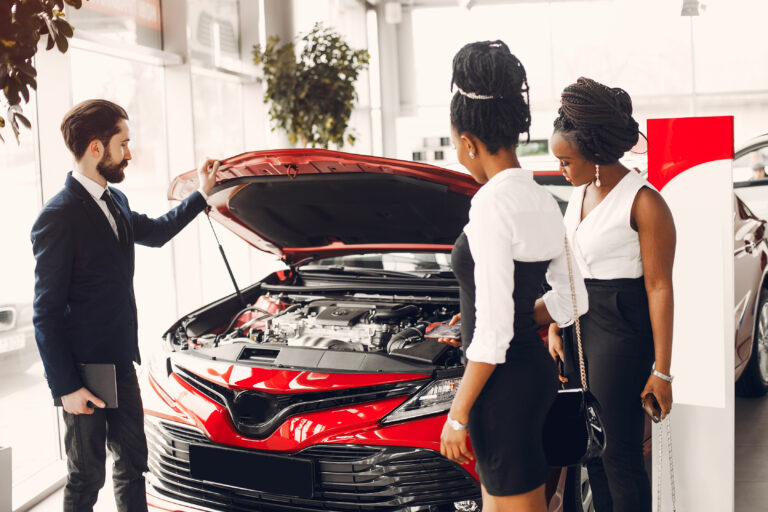
- The engine bay. Look for leaks, cracked hoses, and a dirty or low oil level. Milky-looking oil can signal serious engine trouble. The engine should start smoothly without strange knocking or ticking sounds.
- Tires and suspension. Uneven tire wear often means alignment or suspension problems. The automobile should bounce once before settling if you apply pressure to each corner. Our roads can be rough, so worn suspension parts are common.
- The interior. Test everything: air conditioning, windows, radio, lights, wipers, and the horn. A weak A/C can be an expensive fix in our heat.
- Mileage and wear. Compare the odometer reading with the car’s overall condition. A car showing low mileage but with a worn steering wheel, sagging seats, and rubbed pedals may have had its odometer tampered with.
Take a Proper Test Drive
Don’t just circle the block. Drive on different surfaces if you can: smooth roads, bumpy sections, hills, and some stop-and-go traffic. While driving, pay attention to:
- Pulling to one side when braking
- Vibrations in the steering wheel
- Strange noises over bumps
- Hesitation or jerking when changing gears
- Warning lights on the dashboard
To truly hear the car, turn off the radio. If something feels off, trust your gut.
Bring in a Trusted Mechanic
If you’re not mechanically minded, this step is a game changer. Pay a trusted mechanic to inspect the car before you commit. A good mechanic can spot problems you’d never notice, like a leaking transmission, worn engine mounts, or hidden frame damage. The small fee you pay for an inspection could save you hundreds of thousands of dollars later.
Be wary of a seller who refuses to let you get an independent inspection. That’s usually a sign they’re hiding something.
Check the Paperwork Carefully
Good documentation is as important as good mechanics. Before handing over any money, verify:
- The registration and ownership details. Make sure the seller’s name matches the documents.
- The chassis and engine numbers. These should match the paperwork and the vehicle itself.
- Outstanding liens or loans. Confirm that no finance company has a claim on the car.
- The certificate of fitness. Check that it’s valid, and ask when it was last renewed.
- Service records. An abundance of receipts in a thick folder is quite encouraging.
If anything seems unclear, ask questions or visit the TAJ to confirm details. Never rush through this stage, even if the seller says someone else is “coming to buy it today.”
Do Your Research on the Model
Some vehicles simply hold up better than others in Jamaican conditions. Popular models like the Toyota Corolla, Honda Fit, Nissan Tiida, and Suzuki Swift tend to be well-liked because parts are easy to find and mechanics know them well. Before settling on a model, look into:
- Common problems for that make and year
- The cost and availability of spare parts locally
- Fuel efficiency, since gas prices matter
- How easily it resells later
A slightly boring but dependable car often beats an exotic one that’s a nightmare to repair.
Negotiate With Confidence
Haggling is part of the culture, and there’s nothing wrong with it. Make use of any problems you discovered while conducting the inspection as leverage. If the tires need replacing or the brakes are worn, ask for a reduction that reflects those costs. Be firm yet courteous, and be prepared to leave. There are always other cars.
Pay in a traceable way, such as a bank transfer or manager’s cheque, and get a written receipt. Don’t give out big sums of money without the right paperwork.
Watch Out for Common Scams
Unfortunately, scams exist. Be cautious of:
- Prices that seem too good to be true
- Before you’ve seen the car, sellers who demand a deposit
- Overseas “sellers” who can’t meet you or show the vehicle
- Pressure to buy immediately
- Missing or suspicious documents
If a deal feels rushed or sketchy, step away. A sincere vendor will recognize that you must exercise caution.
Conclusion
Finding a reliable used vehicle in Jamaica takes patience, but it’s absolutely doable. Know your needs, set a realistic budget, shop around, inspect carefully, and lean on a good mechanic. Check the paperwork twice, negotiate fairly, and never let anyone rush you into a decision.
The right car is out there. With a bit of homework and a calm head, you’ll find one that gets you safely from Negril to Port Antonio and everywhere in between, without any nasty surprises along the way.