Buying a used car in Jamaica can feel like a big gamble. Prices are high, the roads are tough on vehicles, and it is easy to end up with a car that looks great on the outside but has expensive problems underneath. The good news is that there are reliable places to shop, and a little patience can save you a lot of money. Here is a practical guide to where you can find quality pre-owned cars and how to choose the right one.
Start with Reputable Dealerships
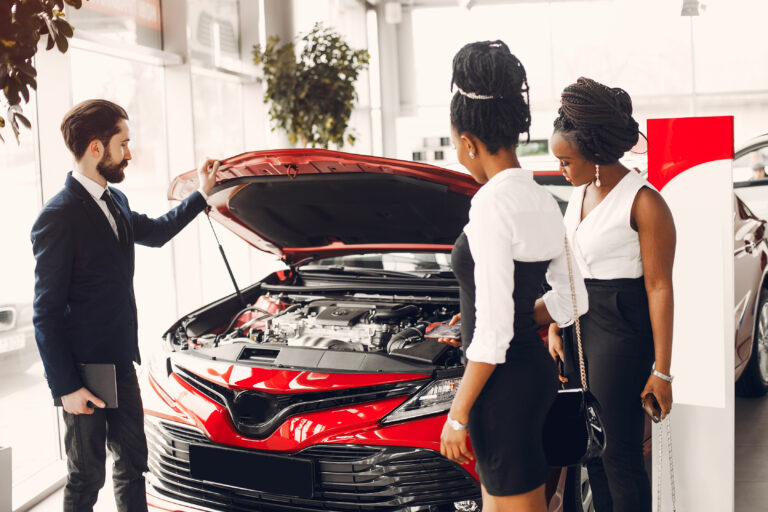
If you want the most peace of mind, begin with established dealerships. Franchised dealers that sell certified pre-owned vehicles usually inspect their cars before they go on the lot, and they often offer some kind of warranty or after-sales support. You will pay more than you would in a private sale, but you are paying for reliability and a way to resolve problems if something goes wrong.
Independent used car dealers can also be a good choice, especially those that have been in business for many years. Their reputation depends on repeat customers, so a good independent dealer will usually be open about a car’s history. Before you buy, ask whether the dealer will let you take the car for an independent mechanical inspection. A dealer with nothing to hide will almost always say yes. If they push back, treat that as a warning sign.
Check the Major Online Classifieds
Jamaica’s newspaper classifieds, both online and in print, remain one of the most useful places to search. The major daily newspapers carry extensive motor vehicle sections, and many of the listings come from dealers, while others are from private sellers. Browsing these listings regularly helps you get a feel for the going prices for different makes, models, and years.
Social media groups and online markets have also grown in popularity. Facebook Marketplace and various Jamaican car-buying groups let you compare many listings in one place, sometimes with photos and direct contact with the seller. These platforms are convenient, but they also attract scams and misleading ads. Never send money before you have seen the car in person, and be cautious about sellers who refuse to meet in a public place or who rush you into a decision.
Look at Auction-Import Vehicles
A large share of the used cars on Jamaican roads were imported from Japan, where vehicles are often sold through auctions. Many local dealers buy these cars, bring them in, and prepare them for sale. When attempting to determine an automobile’s actual condition, Japanese auction documents might be useful as they document the vehicle’s grade, mileage, and condition. Ask the dealer whether they can show you the auction sheet or inspection report for the vehicle you are considering.
Imported cars can offer excellent value, but you should be careful. Mileage can be altered, and some vehicles may have been damaged in floods or accidents before they were exported. A detailed inspection and a vehicle history check are essential for any import.
Consider Word of Mouth and Trusted Networks
Some of the best deals come through people you already know. A friend, coworker, or church member may know someone who is selling a well-maintained car because they are upgrading or moving. Cars sold this way often come with a clear service history and an honest account of their problems. Your personal network can also point you toward a mechanic or dealer they trust, which is valuable in itself.
Know What to Look for Before You Buy
No matter where you shop, a few checks will protect you. Start by setting a clear budget that includes more than the purchase price. You will also need money for insurance, registration, the transfer process, and possible repairs in the first few months. Used cars in Jamaica often need work soon after purchase, especially suspension parts, brakes, tires, and cooling systems, so keep a reserve for these costs.
Once you find a car you like, take it for a test drive on different types of roads if possible. Listen for unusual noises from the engine, transmission, and suspension. Check that the air conditioning blows cold, that the lights and electrical systems work, and that the car does not pull to one side when you brake. Look for uneven tire wear, signs of rust on the undercarriage, and any mismatched paint, which can suggest previous accident repairs.
Take the car to a qualified mechanic for a pre-purchase inspection. This usually costs a modest fee and can reveal problems you would never spot on your own. A good mechanic can also estimate what repairs the car is likely to need in the near future, which gives you a stronger basis for negotiating the price.
Verify the Paperwork
Documentation is as important as the vehicle itself. Make sure the seller’s name matches the name on the registration documents, and confirm that the vehicle identification number on the car matches the number on the papers. Ask for the vehicle’s registration history and any records of previous ownership. If the car was imported, check that the import documents and duty payments are in order. Any gaps or inconsistencies should be resolved before you hand over money.
When the sale is complete, the ownership transfer must be processed through the proper government channels. Do not skip this step, because an unregistered transfer can cause serious problems later, including trouble with insurance claims and questions about who is responsible for the vehicle.
Negotiate with Confidence
Most used cars in Jamaica have some room for negotiation, particularly from private sellers. Use the inspection results and the market prices you have researched to make a reasonable offer. If the mechanic found problems, ask for a reduction that covers the repair costs. Being polite but firm usually works better than aggressive haggling, and it leaves the door open if you need to come back to the seller later.
Be prepared to walk away. There are always more cars for sale, and a bad purchase can cost far more than the time you spent looking. If something feels wrong about the seller, the paperwork, or the car’s condition, trust your instincts.
Conclusion
Finding a quality pre-owned car in Jamaica takes research, patience, and a willingness to ask questions. Reputable dealerships offer security, newspaper and online classifieds offer variety, auction-import dealers offer value, and your personal network can lead you to honest sellers. Whichever route you choose, insist on a proper inspection, check the paperwork carefully, and budget for the costs that come after the purchase. A little effort at the start can give you a reliable car that serves you well for years.