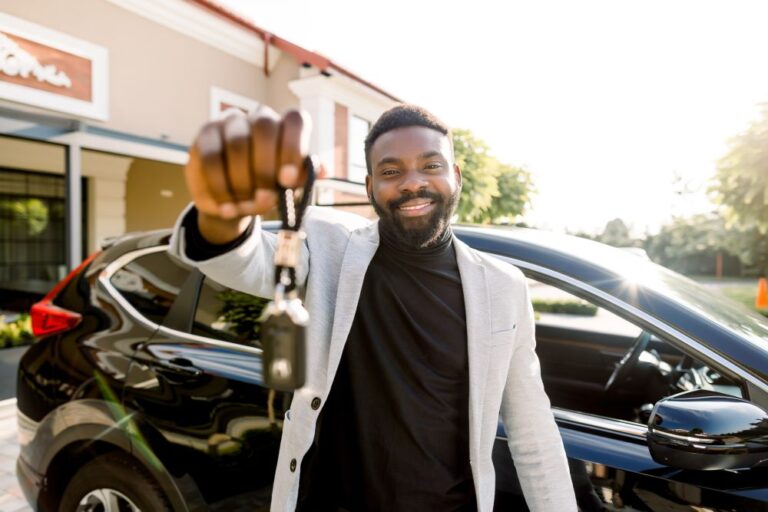
Buying a car in Jamaica is a big moment. For many of us, it’s the second-largest purchase we’ll ever make, right after a home. Between the heat, the potholes on certain roads, the fuel prices, and the cost of parts, the wrong car can drain your wallet fast. The right dealer, though, can make the whole thing feel smooth, even exciting.
So how do you pick one you can trust? Here’s a practical guide.
Start With Your Own Needs, Not the Dealer’s Sales Pitch
Before you set foot on any lot, get clear on what you actually need. A salesperson can make almost any car sound like a dream, but you’re the one who has to live with it.
Ask yourself:
- What’s my real budget? Don’t forget insurance, licensing, fitness, fuel, and maintenance on top of the sticker price.
- Where will I drive most? Daily Kingston traffic, long runs to Ocho Rios, or rough country roads in St. Elizabeth all call for different cars.
- How many people am I carrying? A couple needs something different from a family of five.
- How comfortable am I with repairs? If you want low-stress ownership, popular models with easy-to-find parts are your friend.
When you know these answers, you can walk in with confidence and steer the conversation yourself.
Look for a Dealer With a Solid Reputation
In a place as close-knit as Jamaica, word travels fast, and that works in your favour. A good dealer usually has a track record people can speak about.
- Ask around. Talk to friends, coworkers, family, and your church or community group. Someone has almost certainly bought a car recently. Ask what the experience was like, not just whether they like the car. Did the dealer follow through on promises? Were there surprises after the sale?
- Check online. Look at the dealer’s Facebook page, Instagram, Google reviews, and website. Read the comments, including the unhappy ones. Every business gets a complaint now and then, so what matters is how the dealer responds. A calm, respectful reply says a lot. Silence, or an angry argument, says even more.
- Notice how long they’ve been around. A dealership that has operated for years has survived by keeping customers happy. That’s encouraging, but it doesn’t mean perfection.
Check Whether the Dealer Is Properly Established
A legitimate dealer should have a real, visible place of business, not just a phone number and a parking spot. Visit in person. Look at the office, the way vehicles are kept, and how staff treat you.
You can also ask whether they belong to a recognised industry association, such as the Jamaica Automobile Dealers Association or a similar body. Membership isn’t a magic stamp of approval, but it can suggest a dealer cares about professional standards. Always confirm details yourself rather than taking someone’s word for it.
Be careful with anyone who only wants to meet in a random location, refuses to show paperwork, or pressures you to pay cash quickly. Those are red flags.
Understand What You’re Buying: New, Used, or Imported
Jamaica has a big market for used vehicles, especially Japanese imports like Toyota, Honda, Nissan, and Suzuki. Each route has its own pros and cons.
- Brand new: Higher price, but you usually get a warranty, a clean history, and peace of mind.
- Locally used: You can often see the car’s service history and speak to the previous owner, which helps a lot.
- Imported used: These can be great value, but they need extra care. Ask for the auction sheet or inspection report, check the mileage honestly, and confirm the import paperwork is complete. A trustworthy dealer will explain all this without making you feel silly for asking.
Ask the Right Questions
Good dealers don’t mind questions. In fact, they usually appreciate them because it shows you’re serious. Here are some worth asking:
- Can I see the full history and documents for this vehicle?
- Has it been in an accident or had major repairs?
- Does a warranty exist, and if so, what does it cover?
- What is the total cost, taking into account all taxes and fees?
- Can I have my own mechanic examine it?
- What happens if something goes wrong in the first few weeks?
Pay attention to how they answer. Clear, patient answers are a great sign. Vague answers, dodging, or irritation are not.
Always Take a Proper Test Drive
Don’t just circle the block. Drive the vehicle like you would in real life. Take it through traffic, up a hill if you can, over a bumpy patch, and test the air conditioning, which is non-negotiable in our climate.
Listen for strange noises. Feel how the brakes respond. Verify that the steering is not pulling to one side. Test the lights, windows, and signals. And take your time. A dealer who rushes you isn’t thinking about your best interests.
Get an Independent Inspection
You can save hundreds of thousands of dollars by taking this action. Even if the car looks spotless, pay a mechanic you trust to look it over. They’ll check the engine, transmission, suspension, signs of flood or accident damage, and rust underneath.
If a dealer says no to an independent inspection, think hard before moving forward. A seller who’s confident in their vehicles has nothing to hide.
Watch Out for Prices That Seem Too Good
We all love a bargain, but a price far below the market is often a warning. It might mean hidden damage, a tampered odometer, a rebuilt wreck, or paperwork problems. Compare prices on similar cars across several dealers and online listings so you know what’s fair.
At the same time, the cheapest price isn’t always the best deal. A slightly higher price from a dealer who offers a warranty, honest records, and good after-sales support can cost you much less in the long run.
Don’t Ignore the Paperwork
Paperwork is boring, but it’s where many buyers get burned. Make sure everything is in order:
- A clear certificate of title
- Proper registration and transfer documents
- Valid fitness certificate, where applicable
- A written sales agreement showing price, vehicle details, and any promises made
- Receipts for every payment
Read before you sign, and don’t be shy about asking for explanations. For official requirements around registration and transfers, check with Tax Administration Jamaica and the Island Traffic Authority, since rules and fees can change. If you’re unsure, consider having someone knowledgeable, or even an attorney, review the documents.
Think About Financing Carefully
Many dealers work with banks, credit unions, and finance companies. This can be convenient, but compare your options before accepting the first offer. Look at the interest rate, the total amount you’ll repay over time, any hidden fees, and the penalties for paying early.
Credit unions often have competitive rates, so it’s worth getting a quote there before you commit. Whatever you choose, make sure the monthly payment fits comfortably in your budget, not just on a good month.
Don’t Overlook After-Sales Support
The sale isn’t the end of the relationship. Think about what happens when you need a part, a repair, or help with a problem. Does the dealer have a service department or reliable partner garages? Do they pick up the phone after you’ve paid?
Dealers who care about repeat customers and referrals tend to treat you well long after the handshake. That’s the kind of relationship you want.
Trust Your Gut
After all the research, listen to your instincts. Do you feel respected? Are you being heard, or pushed? A good dealer makes you feel comfortable, informed, and in control. If something feels off, it’s perfectly okay to walk away. There will always be another car and another dealer.
Conclusion
Choosing the best car dealer in Jamaica comes down to patience and a little detective work. Know what you need, check reputations, ask direct questions, inspect the vehicle, and read every document. Do those things, and you’re far more likely to drive away with a car you love and a dealer you’d happily recommend to a friend.
Take your time, stay confident, and remember: the best deal isn’t just about the price. It’s about trust.