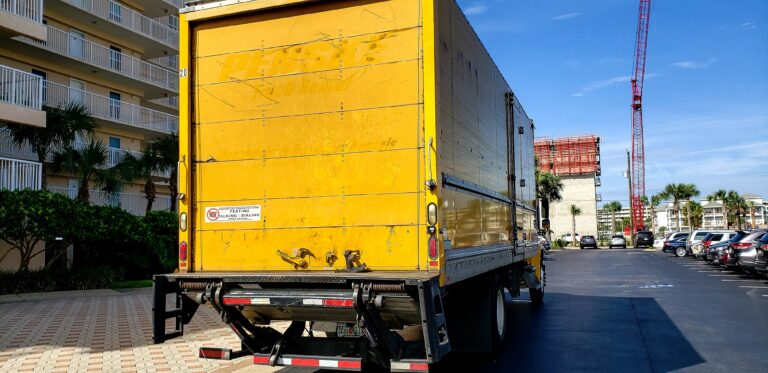
If you’ve ever tried to haul farm produce up a steep hill in St. Ann, deliver building materials in Kingston traffic, or run a small business out of the back of a pickup, you know a truck is more than a vehicle in Jamaica. It’s a tool, a livelihood, and sometimes the biggest purchase a family makes in a decade.
Finding a good one takes some patience, though. Our roads punish suspensions, our salty coastal air loves to chew on metal, and not every seller is as honest as they sound on the phone. So where do you actually look, and how do you avoid heartache? Let’s walk through it.
Start by Knowing What You Need
Before you scroll through a single listing, get clear on how you’ll use the truck. A pickup like a Toyota Hilux, Nissan Navara, Isuzu D-Max, or Mitsubishi L200 is a favorite for mixed use: family trips on Sunday, work during the week. If you’re moving heavier loads, like crates, gas cylinders, or construction supplies, a flatbed or box truck such as an Isuzu Elf or Toyota Dyna makes more sense.
Think about fuel too. Diesel trucks generally cost more upfront but reward you with torque and mileage if you do a lot of hauling or long distance driving. If you mostly stay around town, a smaller gasoline pickup might save you money. Write down your budget, your must-haves, and your deal-breakers. It keeps you from falling for a shiny paint job on the wrong truck.
Reputable Used Vehicle Dealers
Dealerships are the most straightforward place to begin. Kingston and St. Andrew have clusters of used vehicle dealers, particularly along corridors like Constant Spring Road, Old Hope Road, and Spanish Town Road. Over in the west, Montego Bay has plenty of options around its main commercial stretches, and you’ll find smaller lots in Mandeville, May Pen, Ocho Rios, and Portmore.
Buying from a dealer has real advantages. Most will handle paperwork, many offer financing partnerships, and some give a short warranty or at least a safety check. Established dealers also have a reputation to protect, which means they’re often easier to hold accountable than a stranger on the internet.
Don’t just walk onto a lot and sign, however. Ask how long they’ve been in business. Look up reviews on Google and Facebook. Talk to people in your community; in Jamaica, word of mouth still carries enormous weight. If three people say a dealer treated them fairly, that’s worth more than any flashy billboard.
Importing Directly From Japan
A big share of Jamaica’s trucks are Japanese used imports, and there’s a good reason. Japan’s strict inspection culture means many vehicles there are well maintained and sold with detailed auction sheets that grade the condition of the body and interior.
You can work through a local importer or broker who handles the bidding, shipping, and clearing. This can get you a newer or better-spec truck for less than you’d pay on a local lot. The trade-off is time and extra costs. You’ll be paying for shipping, duties, taxes, and broker fees, and the truck may take weeks to arrive.
Two things matter here. First, check the current import rules, including age limits on used vehicles, with the Jamaica Customs Agency before you commit. Policies change, and you don’t want a truck stuck at the port. Second, ask for the auction sheet and learn how to read it, or have someone you trust do it. Honest brokers are happy to explain it.
Online Marketplaces and Social Media
These days, a lot of Jamaican trucks change hands online. Facebook Marketplace, Instagram dealer pages, WhatsApp groups, and local classified websites are full of listings, from clean one-owner pickups to work trucks that have seen better days.
The upside is choice and price. You can compare dozens of trucks in an evening and spot bargains. The downside is that scams exist. Be wary of deals that feel too good to be true, sellers who refuse to meet in person, anyone pushing you to send a deposit before you’ve seen the vehicle, and listings with blurry photos or vague details.
A simple rule: never pay for a vehicle you haven’t seen, driven, and had checked. If a seller gets annoyed at that, walk away. A genuine seller will understand.
Buying From a Private Owner
Private sales can offer the best prices because there’s no dealer margin. They can also give you something valuable: honesty about the truck’s history. A farmer who bought a Hilux new and has serviced it faithfully can tell you exactly what’s been done to it.
Ask to see service records, if they exist. Ask why they’re selling. Check that the name on the registration matches the seller’s ID. Then confirm with the Tax Administration Jamaica that there are no outstanding issues, and make sure the chassis and engine numbers on the truck match the paperwork. Mismatched numbers are a serious red flag.
Auctions and Repossessed Vehicles
Banks, credit unions, and finance companies sometimes sell repossessed vehicles. Prices can be attractive, but these trucks are usually sold as-is. That means you carry the risk. If you’re mechanically savvy or you bring a mechanic you trust, auctions can be a great find. If not, tread carefully.
How to Inspect a Truck Like You Mean It
Whichever route you choose, inspection is where good decisions get made. Here’s what to look at:
- Underneath and around the body. Check the frame for rust, cracks, or fresh paint hiding weld repairs. Jamaica’s humidity and coastal air can eat into metal, especially on trucks that have lived near the sea. Look for uneven panel gaps, which might point to an accident.
- The engine bay. Look for oil leaks, milky oil (a bad sign), worn belts, and signs of a recent engine wash designed to hide leaks. Listen to the engine from a cold start. Rough idling, knocking, or excessive smoke deserves a question.
- Suspension and tires. Our roads are tough, so test the suspension over bumps and potholes. Uneven tire wear can hint at alignment or suspension trouble.
- The test drive. Drive it on a mix of surfaces, including a hill if you can. Check the brakes, steering, gearbox, clutch, and four-wheel drive if it has it. Make sure the air conditioning and the lights all work.
- Get a mechanic. Spending a bit on an independent inspection is cheap insurance. A good mechanic will spot things you’ll miss, and their findings give you real leverage when negotiating.
Paperwork and Legal Checks
Reliable doesn’t only mean mechanically sound. It means legally clean too. Before any money changes hands, confirm the registration, check that the truck is free of liens or loans, and make sure the transfer will be done properly. Ask about its fitness certificate status and whether the registration and insurance are current.
Get everything in writing, including the agreed price and any promises the seller makes. After purchase, get insurance sorted right away. A truck on the road without cover is a risk you don’t need.
Financing Your Purchase
If you can’t pay cash, banks, credit unions, and some dealers offer vehicle loans. Credit unions in particular are often friendly to members who’ve saved with them for a while. Compare interest rates, loan terms, and any fees, and be realistic about what you can afford each month, including insurance, fuel, and maintenance. A truck that eats your whole paycheck isn’t a good deal, however nice it looks.
A Few Final Tips
Take your time. The pressure of “someone else is coming to see it today” is a classic sales tactic. Be willing to walk away. There will always be another truck.
Negotiate respectfully, but do negotiate. Most sellers expect it. Bring up any issues you found during inspection as reasonable grounds for a lower price.
And lean on your network. Ask friends, relatives, church members, and coworkers. Someone usually knows someone selling a solid truck or a mechanic who can vouch for one.
Conclusion
You can find a reliable truck in Jamaica through reputable dealers, direct imports, online listings, private sellers, or repossession sales. Each route has its perks and pitfalls. What matters most is doing your homework: know your needs, inspect carefully, verify the paperwork, and never rush.
Do that, and you’ll end up with a truck that works as hard as you do, whether you’re on the highway to Montego Bay or a winding country road in the Blue Mountains.