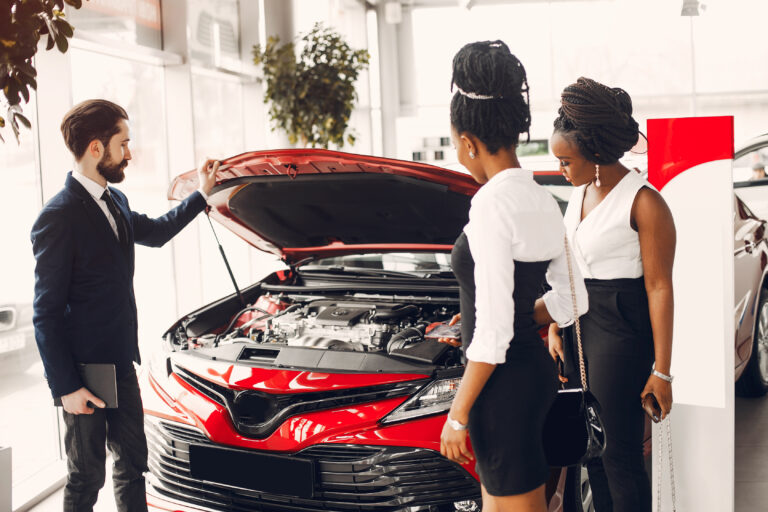
If you’re shopping for a car in Jamaica right now, chances are you’ve noticed something: brand new vehicles carry price tags that make your eyes water. This is exactly why so many Jamaicans, from first-time drivers to seasoned business owners, turn to the used car market instead. But is a second hand car actually a smart buy, or are you just inheriting someone else’s problems? Let’s break it down.
Why Used Cars Dominate Jamaica’s Roads
Walk through any parking lot in Kingston, Montego Bay, or Mandeville and you’ll notice something: a huge share of the vehicles are Japanese imports, most of them used. This isn’t a coincidence. Japan has strict vehicle inspection laws that push owners to sell perfectly good cars after just a few years, which means Jamaica gets a steady supply of low-mileage, well-maintained vehicles at a fraction of new-car prices.
Add to that Jamaica’s own import taxes on brand new vehicles, and you can see why used cars have become the practical choice for the average family, small business, and even taxi operators. A new car simply isn’t within reach for most people, but a reliable three or four-year-old Toyota, Honda, or Nissan very often is.
The Real Case for Buying Used
- You get more cars for your money. A used SUV or sedan a few years old will typically cost significantly less than the new version, yet still offer most of the same comfort, safety features, and reliability. That price gap lets you either save money outright or stretch your budget into a higher trim level or bigger vehicle than you could otherwise afford.
- Depreciation has already happened. New cars lose a large chunk of their value the moment they leave the dealership. When you buy used, someone else has already absorbed that first big hit, so your car holds its value more steadily from here on out.
- Japanese imports have a strong reputation. Because of Japan’s vehicle inspection system, many imported used cars arrive with relatively low mileage and solid maintenance histories compared to used cars sourced from other markets. This is a big reason brands like Toyota, Honda, Nissan, Suzuki, and Mazda are so popular islandwide.
- Insurance costs less. Comprehensive insurance and even basic third-party coverage, which is mandatory in Jamaica, tend to cost less on a used vehicle than on a brand-new one, since insurers base premiums partly on the vehicle’s value.
The Trade-Offs You Should Know About
Buying used isn’t automatically a bargain. Before you commit, you should be aware of the actual expenses and risks.
- Import duties and taxes add up fast. If you’re importing a vehicle yourself rather than buying from a local dealer’s lot, you need to budget for more than just the sticker price. Jamaican import duty on vehicles generally ranges from 10 to 40 percent depending on the type of vehicle, and on top of that sits General Consumption Tax at 17.5 percent, a Common External Tariff of around 20 percent for cars and pick-ups (10 percent for trucks, vans, and buses), and an Environmental Levy of 0.5 percent calculated on the vehicle’s CIF value (cost, insurance, and freight combined). Miscalculate any of these and your “cheap” import can end up costing far more than expected.
- Inspection rules have gotten stricter. As of June 2026, the Jamaica Trade Board tightened its requirements around pre-shipment inspections. Vehicles coming from countries where inspection is mandatory, including Japan, the US, UK, Canada, the UAE, Thailand, Singapore, and China, now face a US$500 verification fee if they arrive without the proper inspection certificate, and pre-shipment inspection and sanitisation fees themselves have also risen. This makes it more important than ever to buy from a dealer or importer who handles the paperwork correctly the first time.
- Age and mileage limits apply. Jamaica has rules around how old a vehicle can be when imported, and returning residents have specific allowances too, generally permitted to bring in vehicles once every three years, and only after having used the car themselves for a minimum period. If you’re not a returning resident or licensed importer, it’s usually simpler and safer to buy locally.
- Hidden mechanical issues. A used car, however well cared for, has already lived a life. Things like timing belts, suspension components, and air conditioning systems wear down and aren’t always obvious during a quick test drive. Without a proper pre-purchase inspection, you could be buying someone else’s expensive repair bill.
- Financing can be trickier. Some banks and credit unions place restrictions on the age of vehicle they’ll finance, or offer less favorable terms on older cars, so your financing options may narrow the further back the model year goes.
Local Dealer or Direct Import: Which Makes More Sense?
There are really two paths in Jamaica: buying from a local dealership’s existing stock, or importing a vehicle directly, most commonly from Japan. Buying locally means you skip the shipping wait, get to see and test the actual car, and someone else has already handled customs and inspection. Importing directly can sometimes get you a better price and a wider selection, since you’re picking from a much larger pool of vehicles, but it takes patience, more paperwork, and a good deal of trust in the exporter you’re working with.
Neither path is automatically better. It comes down to how much time you have, how comfortable you are with the import process, and whether you already know exactly what car you want.
How to Buy Smart
If you decide a used car is the way to go, a few habits will save you a lot of grief:
- Get an independent mechanic’s inspection before you hand over any money, especially for private sales.
- Check the vehicle’s history where possible, including accident records and mileage consistency.
- Confirm all import paperwork is in order if buying a recently imported vehicle, including the Certificate of Fitness needed for registration.
- Set aside money for the entire cost, not just the purchase price. Factor in registration, insurance, and likely maintenance.
- Buy from reputable dealers or importers with a track record, rather than chasing the absolute lowest price from an unknown seller.
Conclusion
For most Jamaicans, buying a second hand car isn’t a compromise, it’s simply the smart move. You get a capable, often barely-used vehicle at a price that actually fits real budgets, and the used car market here is mature enough that good options are easy to find if you know what to look for. The key is going in with your eyes open: understand the duties and fees involved, get any vehicle properly inspected, and buy from sellers who do things by the book. Do that, and a used car in Jamaica isn’t just worth buying, it’s often the wiser choice over new.