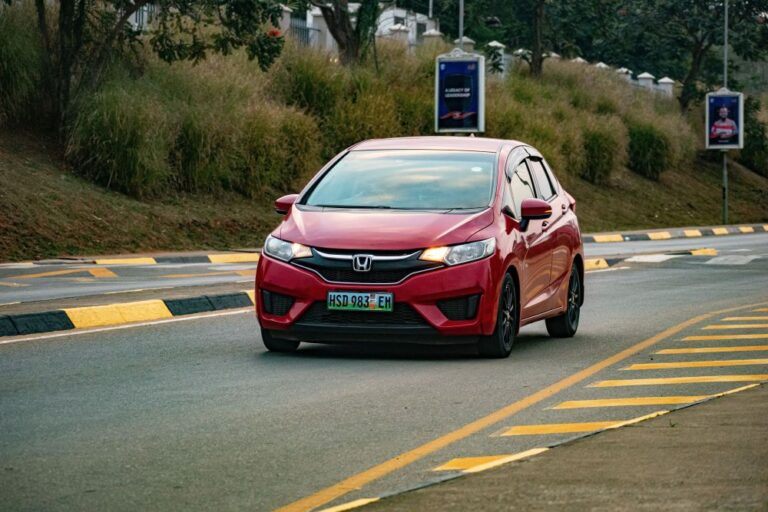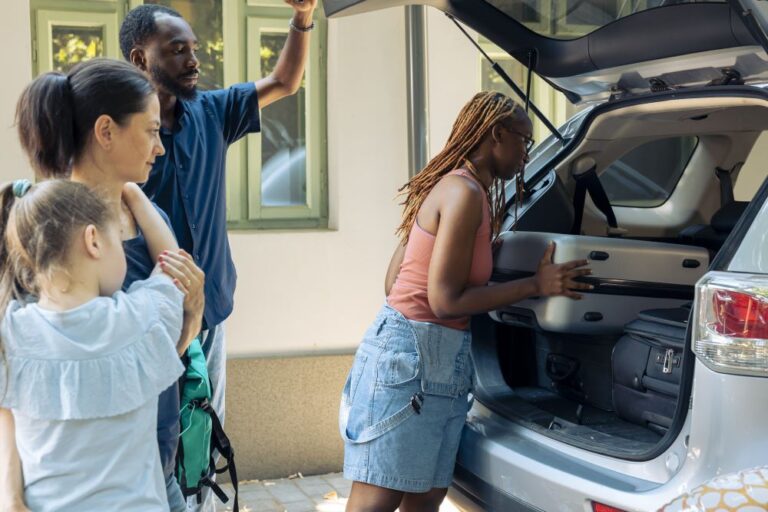
If you’ve spent any time on Jamaican roads, you already know the Honda Fit. It’s everywhere: parked outside offices in Kingston, zipping through Mandeville, climbing the hills in St. Andrew, and filling up at gas stations from Montego Bay to Portmore. There’s a good reason for that. The Fit is small enough to squeeze into tight parking spots, easy on fuel, and surprisingly roomy inside. Those fold-flat “Magic Seats” can swallow a lot more than you’d expect from such a little car.
But popular doesn’t always mean easy to buy. With so many Fits on the market, finding a good one takes some know-how. Here’s where to look, what to watch out for, and how to avoid the heartache of buying someone else’s problem.
Why the Honda Fit Is Such a Smart Pick in Jamaica
Fuel isn’t cheap, and nobody wants to spend half their paycheck at the pump. The Fit sips gas compared with most cars its size, which makes it a favourite for daily commuting. Parts are also easy to find, and mechanics all over the island know the car well. That matters more than people realise. A car that every mechanic understands is a car that won’t leave you stranded for weeks waiting on one obscure part.
Most Fits here are Japanese imports, which means plenty of choice across different years and trims. You’ll see the older first-generation models, the second generation from around 2007 to 2013, and the newer third generation, plus hybrid versions for those chasing even better mileage.
1. Reputable Used Car Dealerships
For many buyers, a licensed dealership is the safest starting point. Established dealers usually inspect their cars before putting them on the lot, handle the paperwork, and have a reputation to protect. If something goes wrong, you know exactly where to find them.
Look for dealers who:
- Have a physical lot you can visit, not just a phone number
- Are happy to let you test drive and bring your own mechanic
- Give you clear, written details about the car’s history and import documents
- Have good word of mouth from people you actually know
It’s worth checking whether a dealer belongs to a recognised industry body, such as the Jamaica Used Car Dealers Association. Membership isn’t a guarantee of quality, but it’s a good sign that they take their business seriously.
A dealership will often charge a little more than a private seller. You’re partly paying for convenience and some peace of mind, and for many people that’s money well spent.
2. Online Classifieds and Car Listing Websites
These days, a lot of car shopping starts on a phone screen. Jamaican classified sites and online car listing platforms let you browse dozens of Honda Fits in minutes, compare prices, and see photos before leaving your house.
The upside is obvious: huge selection and the power to compare. The downside is that anybody can post a listing. Photos can be flattering, descriptions can be vague, and a “clean, no issues” tag means nothing until you’ve seen the car yourself.
A few habits will protect you here. Be suspicious of prices that look too good to be true, because they usually are. Ask for the chassis number and the import details. And never send a deposit to someone you haven’t met, no matter how convincing their story sounds.
3. Social Media and Facebook Marketplace
Facebook Marketplace and local buy-and-sell groups have become a major place where Jamaicans trade cars. You’ll find everything there, from lovingly maintained family cars to tired old vehicles with fresh paint hiding a rough past.
The big advantage is that you can often deal directly with the owner, which sometimes means a better price and a more honest history. You can ask why they’re selling, how they’ve maintained the car, and what repairs they’ve done. A good owner will answer easily. A nervous or evasive one is telling you something.
Just be careful. Scams are real, and fake listings crop up often. Always meet in a safe, public place during the day, bring someone with you, and verify the seller’s identity against the paperwork.
4. Private Sellers and Word of Mouth
Some of the best deals never get advertised at all. Tell your coworkers, relatives, church friends, and neighbours that you’re hunting for a Honda Fit. You’d be surprised how often someone knows someone who’s about to sell.
Buying from a person you trust, or from someone connected to somebody you trust, usually means a more honest conversation. A car from a family friend who kept receipts for every oil change is worth far more than a mystery car from a stranger.
5. Licensed Importers and Auction Imports
If you want a newer or lower-mileage Fit, you can also buy through a licensed importer who brings cars in from Japan. This gives you more control over the year, trim, and condition. Many Japanese vehicles come with auction grade sheets that describe the car’s condition, and a trustworthy importer will walk you through that information.
Keep in mind that importing involves duties, shipping, and waiting time. You’ll want to understand the full landed cost before you commit so there are no nasty surprises at the end. Only use importers with a solid track record, and speak to people who’ve bought from them before.
How to Tell if a Honda Fit Is Actually Reliable
Finding the car is only half the job. Checking it properly is the other half. Here’s what to do before any money changes hands.
- Get a full mechanical inspection. Pay an independent mechanic you trust to look the car over. It might cost a bit upfront, but it can save you from a repair bill ten times bigger.
- Check the transmission. Some Fits, especially certain automatic and CVT models, can develop transmission issues if they’ve been neglected. During your test drive, watch for jerking, hesitation, or strange noises when the car shifts.
- Look for rust and accident damage. Inspect panels for uneven gaps, mismatched paint, and signs of repairs. Check underneath the car too, especially if it’s spent time near the coast where salty air does its damage.
- Test the hybrid battery, if applicable. Hybrid Fits are fuel-efficient, but a worn hybrid battery can be costly to replace. Ask about its condition and have it assessed.
- Test everything inside. Windows, air conditioning, radio, lights, and those handy rear seats. Small problems can add up.
- Verify the paperwork. Make sure the chassis number matches the documents, the import papers are in order, and there’s no outstanding issue with the vehicle. Handle the transfer of ownership properly at the tax office so the car is legally yours. Skipping this step is a recipe for trouble later.
Tips for Getting a Fair Price
Do your homework first. Browse a good number of listings so you know what a Fit of a certain year and condition typically costs. That way you’ll recognise a fair deal, and a suspiciously cheap one, right away.
Don’t be afraid to negotiate, especially if your inspection turns up small issues. Polite honesty works wonders: “The tires need replacing and the brakes are a bit worn, so can we adjust the price?” is a perfectly reasonable thing to say.
And remember, there’s no rush. The right car will come along. Buyers who feel pressured into deciding on the spot are the ones who end up with regrets.
Conclusion
The Honda Fit has earned its place on Jamaican roads by being practical, economical, and dependable. You can find a good one through trusted dealers, online listings, social media, private sellers, or licensed importers. What matters most isn’t where you look but how carefully you check what you find.
Take your time, bring a good mechanic, ask plenty of questions, and trust your gut. A reliable Honda Fit can serve you well for years, carrying you through the daily commute, weekend beach trips, and everything in between. Do your research now, and your future self will thank you every time you turn the key and the engine starts on the first try.