Buying a car to sell later can be a good way to make money, but it is not as simple as buying a cheap car and selling it for more. A successful car seller needs to understand the market, inspect the vehicle carefully, calculate all costs, and know what buyers are looking for.
Whether you are buying one car to resell or planning to build a small car-selling business, making the right decision before purchasing can save you from expensive repairs and slow sales. Here are the most important things you should know before buying a car for sale.
Understand the Local Car Market
Before buying any vehicle, take some time to understand what types of cars are popular in your market. Some models sell quickly because they are affordable, reliable, fuel-efficient, and easy to maintain. Others may take much longer to find a buyer.
Look at similar cars listed for sale and compare their prices, model years, mileage, condition, and features. This will give you a better idea of what buyers are willing to pay.
It is also useful to know whether demand is increasing or decreasing for a particular model. A car that is popular today may not always be easy to sell at the same price.
Choose the Right Car
The car you choose has a major impact on your potential profit. When buying for resale, focus on vehicles with strong demand and a good reputation.
Reliable brands and commonly available models are often easier to sell because buyers already know them and spare parts are usually easier to find. Cars with good fuel economy can also attract more buyers, especially when fuel costs are an important concern.
Avoid choosing a vehicle only because it has a low purchase price. A cheap car may have hidden mechanical problems, accident damage, or expensive parts that can quickly reduce your profit.
Check the Vehicle’s Condition
A proper inspection is one of the most important steps before buying a car for resale. Never depend only on the seller’s description or photographs.
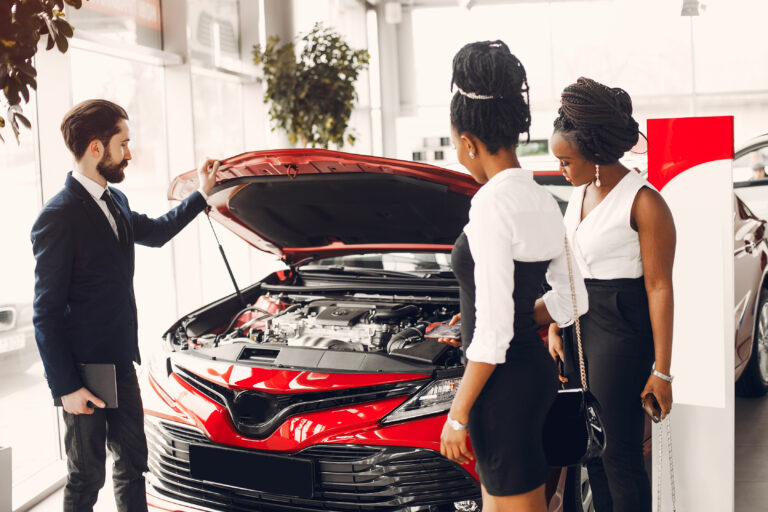
Check the engine, transmission, suspension, brakes, tires, air conditioning, electrical systems, lights, and interior. Look for signs of oil leaks, unusual engine sounds, damaged parts, or warning lights on the dashboard.
You should also inspect the body carefully. Uneven paint, different shades on body panels, repaired areas, or gaps between panels may indicate previous accident damage.
If you are not confident about checking a vehicle yourself, take it to a trusted mechanic before making the purchase. Spending a small amount on an inspection can help you avoid a much larger repair bill later.
Check the Vehicle History
The condition of a car is important, but its history matters too. Before buying, try to find out whether the vehicle has been involved in a major accident, flood, or other serious damage.
Check the available registration and ownership documents and make sure the vehicle identification details match the paperwork. If the car is imported, review its import and auction history where available.
A car with a questionable history may be difficult to sell because many buyers will ask about previous damage and ownership.
Being honest about the vehicle’s history is also important. Hiding major problems may help you sell the car quickly, but it can create serious issues later.
Calculate Your Total Cost
One of the biggest mistakes new car sellers make is looking only at the purchase price.
For example, if you buy a car for $10,000 and expect to sell it for $11,500, it may seem like you will make $1,500. However, you may also have to pay for repairs, servicing, cleaning, transportation, registration, advertising, inspection, and other expenses.
Your actual profit is based on the selling price minus the purchase price and all additional costs.
Before buying, estimate the total amount you will spend on the car. This helps you decide whether the deal is genuinely profitable.
Know the Car’s Resale Value
Do some research before deciding how much you should pay. Check the prices of similar vehicles in the same market and compare their condition, mileage, year, and features.
Do not assume that you can automatically sell a car for a higher price simply because you purchased it cheaply. The resale value depends on market demand and the condition of the vehicle.
It is better to buy a good car at a fair price than to buy a problematic car at a very low price.
Consider Mileage
Mileage is another factor that can strongly affect resale value. Many buyers prefer vehicles with reasonable mileage because they associate lower mileage with less wear and longer remaining life.
However, mileage should never be considered alone. A well-maintained car with higher mileage may be a better purchase than a poorly maintained car with low mileage.
Always compare mileage with the vehicle’s age, service history, mechanical condition, and overall appearance.
Think About Repair Costs
Small repairs can sometimes increase the value of a car and make it easier to sell. A professional cleaning, minor paint correction, tire replacement, or basic servicing may improve the vehicle’s appearance and buyer confidence.
However, major repairs can quickly reduce your profit. Before purchasing, find out how much the necessary repairs are likely to cost.
If the engine, transmission, electrical system, or major body structure needs expensive work, carefully reconsider the deal.
Know Your Target Buyer
Understanding your potential buyer can help you choose the right vehicle.
Families may prefer practical cars with good space and safety features. Students and young drivers may look for affordable and fuel-efficient vehicles. Other buyers may be interested in SUVs, luxury cars, or vehicles with specific features.
When you know who is most likely to buy the car, you can make better purchasing decisions and create a more effective sales advertisement.
Prepare the Car for Sale
Once you purchase the vehicle, presentation can make a significant difference. A clean and well-maintained car usually creates a better first impression.
Wash and detail the exterior and interior. Remove unnecessary items, clean the seats and dashboard, check the lights, and make sure basic maintenance is up to date.
Take clear photographs in good lighting and write an accurate description of the vehicle. Mention the model year, mileage, features, condition, and any important information buyers should know.
Set a Realistic Selling Price
Your goal is to make a profit, but setting the price too high can keep the car on the market for a long time.
Compare your vehicle with similar cars currently available for sale. Consider its condition, mileage, service history, features, and overall demand.
It is also wise to leave some room for normal negotiation. However, do not reduce the price so much that your profit disappears.
Be Patient and Avoid Emotional Decisions
Buying cars for resale should be treated as a business decision rather than an emotional one. You may personally like a particular car, but that does not mean other buyers will want it.
If the numbers do not make sense, be prepared to walk away from the deal. There will always be another vehicle available.
The best car to buy is not necessarily the cheapest one. It is the one that offers a reasonable purchase price, manageable costs, good condition, strong demand, and a realistic opportunity for profit.
Conclusion
Buying a car for sale requires research, careful inspection, and proper financial planning. Before making a purchase, understand the market, check the vehicle’s condition and history, calculate all costs, and research its resale value. Most importantly, never rush into a deal simply because the price looks attractive. A little research before buying can protect you from expensive repairs and help you make a better profit when the car is eventually sold.
With experience, you will become better at identifying good deals, understanding buyer preferences, and choosing vehicles that have strong resale potential. The key is to treat every purchase as an investment and make decisions based on facts rather than excitement.