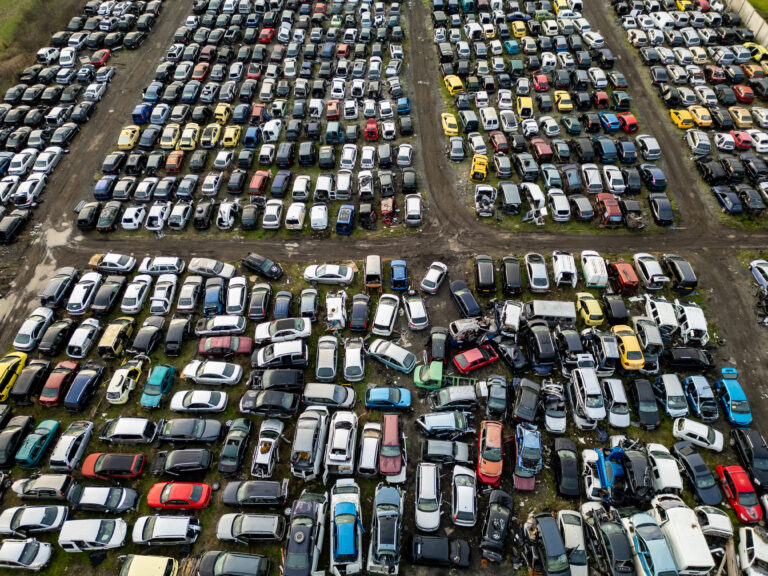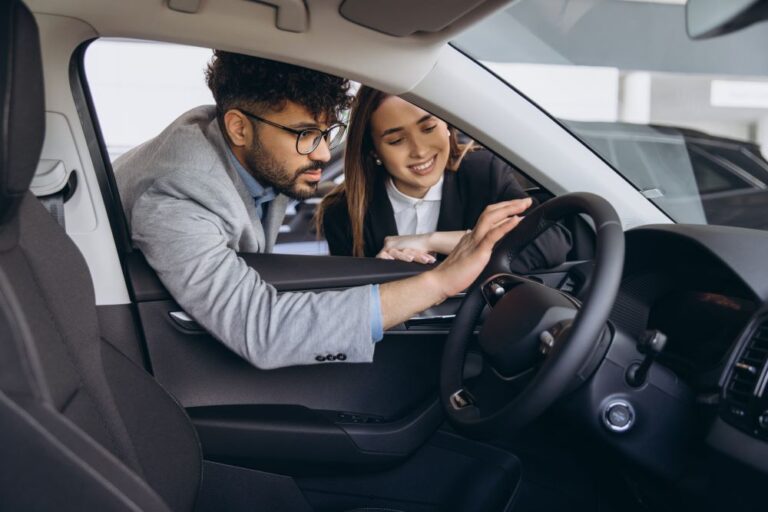
If you want a dependable car at a lesser cost, purchasing a used car can be a wise choice. Because secondhand automobiles offer better value, less depreciation, and more options, many customers select them. To ensure you acquire the ideal car for your needs, purchasing a used car necessitates meticulous consideration.
Before making a final decision, there are several important things you should consider besides just the car’s price.
Check the Car’s Condition
The general state of the secondhand car should be examined first. Inspect the exterior for scratches, dents, rust, or signs of previous accidents. You should also check the interior, seats, dashboard, and other features to see if everything is working properly.
It is also a good idea to have a trusted mechanic inspect the car before buying. A professional check can help you find hidden problems that may cost you money later.
Review the Vehicle History
A car’s history tells you a lot about its past. Check important details like previous ownership, accident history, service records, and maintenance history. A well-maintained car is usually a better choice because it can provide better performance and fewer issues in the future.
Consider the Mileage
The car’s mileage indicates how far it has been traveled. A car with lower mileage is not always better, but extremely high mileage can mean more wear and tear. Always compare the mileage with the car’s age and maintenance records.
Set a Realistic Budget
Don’t just think about the purchase price when purchasing a used car. You should also think about additional costs such as registration, insurance, repairs, fuel, and regular maintenance.
You can prevent financial stress after purchasing the car by creating an appropriate budget.
Compare Different Models
Don’t buy the first car you like right away. Compare different models based on reliability, fuel efficiency, spare parts availability, and resale value. Certain cars could be more expensive to maintain but less expensive to purchase.
Take a Test Drive
You may learn more about how the automobile feels on the road by taking a test drive. Pay attention to the engine sound, brakes, steering, comfort, and overall driving experience. If something feels unusual, it may be a sign of a problem.
Check the Documents
Verify that all paperwork is accurate and full before purchasing a secondhand car. Verify ownership papers, registration details, and any required paperwork. Proper documentation protects you from future problems.
Think About Long-Term Costs
A used car may look affordable at first, but maintenance costs can vary depending on the brand and condition. Select a car that is easy to maintain and fits your lifestyle.
After purchasing a secondhand car, what additional expenses should I take into account?
After purchasing a used car, you need take into account additional expenses like
- Registration fees
- Insurance
- Maintenance
- Repairs
- Fuel
- Replacement parts
Some used cars may need small fixes or servicing after purchase, so keeping a budget for these expenses helps you avoid unexpected costs.
What is the biggest mistake people make when buying used cars?
The biggest mistake people make when buying used cars is rushing the purchase without proper inspection and research. Many buyers only focus on the price and appearance of the car but ignore important factors like vehicle history, maintenance records, mileage, and mechanical condition. This can lead to expensive repairs and problems in the future.
Conclusion
Buying a used car can be a great choice when you do proper research. Checking the condition, reviewing the history, comparing options, and planning your budget can help you find a reliable vehicle. You can make a better choice and enjoy your car for many years if you take your time before purchasing.