Whether it’s your first car or an upgrade from your existing one, purchasing a car is a major decision. A vehicle can make daily travel easier, give you more freedom, and even save money over time if you choose the right one. However, purchasing the wrong vehicle can lead to expensive repairs, poor performance, and unnecessary stress.
That is why it is important to check several key things before making your final decision. You can prevent expensive errors by taking a little more time to examine the car and ask the correct questions.
In this guide, we will explain what you should check before buying a vehicle for sale so you can make a smart and confident purchase.
Decide What Type of Vehicle You Need
Before you start looking at vehicles, think about your daily needs.
Ask yourself questions like:
- Will you use the vehicle for daily commuting?
- Do you need extra space for your family?
- Will you drive primarily on highways or in cities?
- Do you need a pickup or SUV for work?
Choosing the right type of vehicle makes your search much easier and helps you avoid paying for features you may never use.
Set a Realistic Budget
It is easy to focus only on the purchase price, but owning a vehicle involves many other costs.
Your budget should include:
- Registration fees
- Insurance
- Fuel expenses
- Regular maintenance
- Future repairs
- Tires and battery replacement
Buying a vehicle that comfortably fits your budget will reduce financial stress later.
Check the Vehicle’s Overall Condition
Always check the vehicle’s general condition, regardless of whether it is new or used.
Walk around the vehicle and look for:
- Scratches or dents
- Rust on the body
- Uneven paint
- Broken lights
- Cracked windshield
- Damaged mirrors
These issues may seem small, but they can sometimes indicate previous accidents or poor maintenance.
Inspect the Tires
You can learn a lot about a car’s maintenance from its tires.
Check for:
- Even tire wear
- Enough tread depth
- Cracks on the sidewalls
- Matching tire brands
Uneven tire wear may suggest alignment or suspension problems.
Replacing all four tires can be expensive, so this is worth checking carefully.
Look Under the Hood
To complete a simple inspection, you don’t have to be a mechanic.
Check for:
- Oil leaks
- Clean engine components
- Proper coolant level
- Battery condition
- Loose or damaged belts
- Strange smells
An engine that is clean and well-maintained frequently indicates that the car’s previous owner took good care of it.
Check the Vehicle’s Mileage
You can determine how much the car has been driven by looking at its mileage.
Lower mileage usually means less wear, but mileage alone should not determine your decision.
A well-maintained car with a higher mileage might be a better option than a neglected car with a lower mileage.
Always compare the mileage with the vehicle’s age.
Review the Service History
One of the best indicators of a dependable car is a full maintenance history.
Look for records showing:
- Regular oil changes
- Brake servicing
- Tire rotation
- Engine maintenance
- Scheduled inspections
The owner kept the car in good condition, according to service documents.
If there are no maintenance records, ask why.
Check for Accident History
If possible, find out whether the vehicle has been involved in any accidents.
Major accidents can affect:
- Safety
- Performance
- Vehicle value
- Future repair costs
Ask the seller directly and review any available history reports.
Also inspect the vehicle for signs of previous repairs, such as uneven paint or body panels that do not line up correctly.
Test All Interior Features
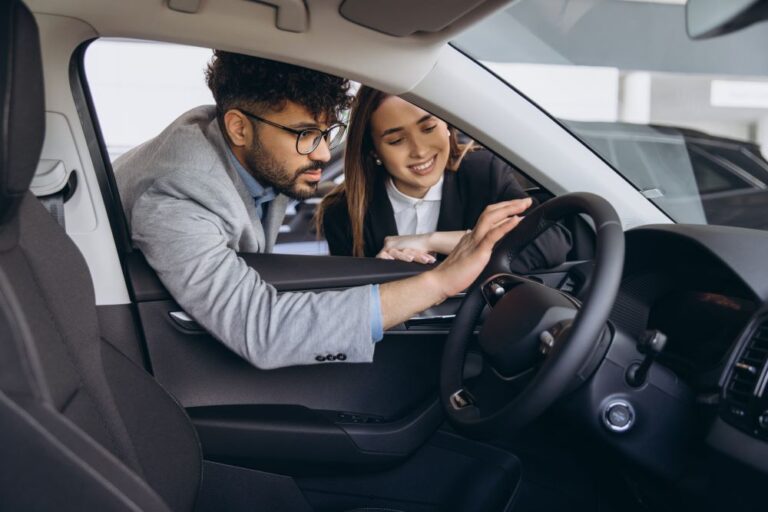
Sit inside the vehicle and test everything before buying.
Check:
- Air conditioning
- Heating system
- Power windows
- Door locks
- Infotainment system
- Touchscreen
- Backup camera
- Dashboard warning lights
- Seat adjustments
- USB charging ports
Everything should work properly before you make a purchase.
Take a Test Drive
One of the most crucial aspects of purchasing a car is taking a test drive.
Drive on different types of roads if possible.
Pay attention to:
- Engine performance
- Brake response
- Steering control
- Suspension comfort
- Transmission shifting
- Road noise
- Acceleration
Listen for unusual sounds like knocking, rattling, or squeaking.
The vehicle should feel smooth, stable, and comfortable to drive.
Check the Brakes
One of the most crucial safety components is the brake system.
During the test drive, notice if:
- The vehicle stops smoothly
- The brake pedal feels firm
- There are no grinding noises
- The vehicle does not pull to one side
Any brake problems should be repaired before buying.
Inspect the Suspension
Drive over small bumps to check the suspension.
Good suspension should provide a comfortable ride without excessive bouncing.
If you hear clunking sounds or feel strong vibrations, there may be suspension issues.
Verify the Vehicle Identification Number (VIN)
The VIN is the vehicle’s unique identification number.
Make sure the VIN on the dashboard, driver’s door, and registration documents all match.
This helps confirm the vehicle’s identity and reduces the risk of fraud.
Review All Documents
Never buy a vehicle without checking the paperwork.
Important documents include:
- Registration papers
- Ownership documents
- Service records
- Insurance information (if applicable)
- Import documents (for imported vehicles)
Make sure all documents are genuine and complete.
Compare the Market Price
Before making a final decision, compare similar vehicles available for sale.
Look at:
- Vehicle year
- Mileage
- Features
- Condition
- Market value
This helps you know whether the asking price is fair.
If the price is much lower than similar vehicles, investigate the reason carefully.
Check Fuel Efficiency
Fuel costs can have a major impact on your monthly expenses.
Ask about:
- Average fuel economy
- Engine size
- Fuel type
- Maintenance costs
Choosing a fuel-efficient vehicle can save a significant amount of money over the years.
Consider Future Maintenance Costs
Some vehicles are more affordable to maintain than others.
Before buying, research:
- Availability of spare parts
- Repair costs
- Service intervals
- Reliability ratings
A cheaper purchase price may not be worth it if maintenance costs are very high.
Buy From a Trusted Seller
Choosing the right seller is just as important as choosing the right vehicle.
A reputable dealership or trusted seller is more likely to:
- Provide accurate information
- Offer quality vehicles
- Share maintenance history
- Explain financing options
- Support customers after the sale
Buying from a trusted source gives you greater confidence throughout the process.
Don’t Rush Your Decision
Buying a vehicle is an investment, so take your time.
Avoid making a decision because of pressure or limited-time offers.
Instead:
- Compare multiple vehicles.
- Ask questions.
- Inspect carefully.
- Take a proper test drive.
- Review all documents.
A little patience can help you find a vehicle that offers better value and reliability.
Conclusion
Buying a vehicle for sale is about much more than finding one that looks good or fits your budget. A careful inspection, a thorough test drive, and a review of the vehicle’s history can help you avoid unexpected problems in the future.
Take time to check the vehicle’s condition, mileage, service records, safety features, documents, and overall performance before making your decision. Whether you are buying a family SUV, a work truck, or a compact car for daily commuting, doing your research will help you choose a reliable vehicle that meets your needs.
A smart purchase today can provide years of dependable driving, lower maintenance costs, and greater peace of mind.