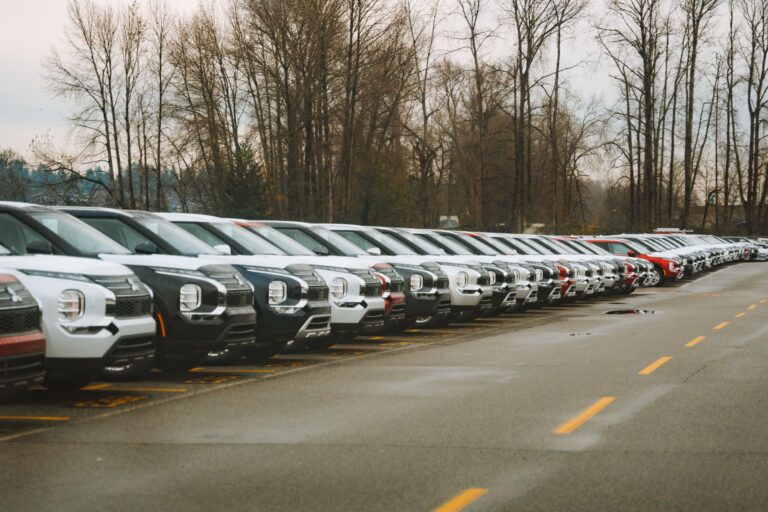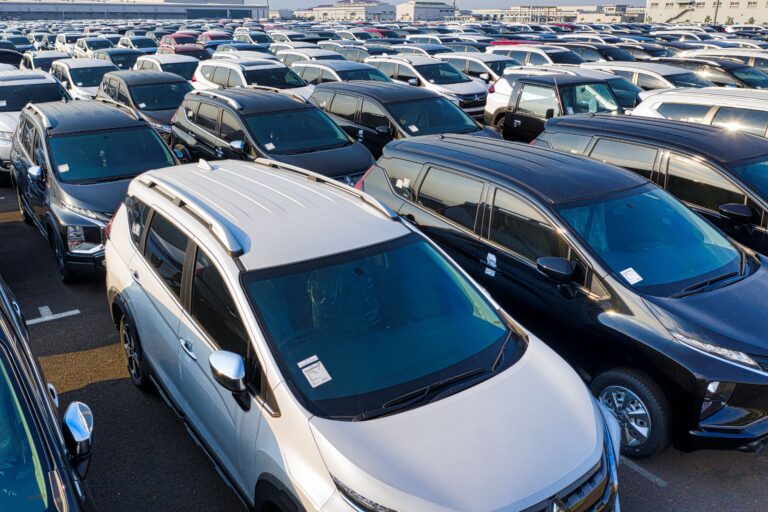
Buying an SUV is a big decision, especially when you want a vehicle that is comfortable, reliable, practical, and suitable for Trinidad’s roads. With so many SUVs for sale in Trinidad, it can be difficult to know which one is the right choice for you. The best SUV is not always the biggest or most expensive one. Your ideal choice depends on your budget, family size, driving habits, fuel needs, and the type of roads you use regularly.
Whether you need an SUV for daily commuting, family trips, business, or weekend adventures, understanding what to look for can help you make a smarter purchase.
Why Are SUVs Popular in Trinidad?
SUVs have become a popular choice for many drivers because they offer a useful combination of space, comfort, and road capability. Compared with smaller cars, SUVs generally provide more interior room and a higher driving position, which many people find comfortable.
They can also be useful for families because of their larger cargo areas. You can carry groceries, luggage, sports equipment, and other items without struggling for space.
Trinidad also has a mix of city roads, highways, rural roads, and hilly areas. Depending on where you live and travel, an SUV can provide the flexibility you need for different driving conditions.
However, every SUV is different. Some are designed mainly for comfortable city driving, while others are better suited for rougher roads or longer trips.
Start With Your Budget
Before looking at SUVs for sale in Trinidad, decide how much you can realistically spend. Your budget should include more than the purchase price.
Think about additional costs such as:
- Registration and other vehicle-related expenses
- Insurance
- Fuel
- Regular servicing
- Tires and brakes
- Possible repairs
- Financing costs, if you are taking a loan
A lower-priced SUV may seem like the better deal, but it could cost more over time if it has poor fuel economy or requires frequent repairs.
Try to choose a vehicle that fits comfortably within your overall budget rather than stretching yourself just to buy a more expensive model.
Consider the Size of the SUV
SUVs come in different sizes, and choosing the right size is important.
-
Compact SUVs
Compact SUVs are a good option for individuals, couples, and small families. They are usually easier to park and maneuver in busy areas while still giving you more space than a small sedan. If most of your driving happens around Port of Spain, San Fernando, or other busy areas, a compact SUV may give you a good balance between practicality and convenience.
-
Midsize SUVs
Midsize SUVs provide more interior and cargo space. They can be a better choice for families that regularly travel together or need extra room for luggage and equipment. They are also useful if you frequently take longer road trips and want more comfort for passengers.
-
Large SUVs
Large SUVs offer plenty of passenger and cargo space and may come with stronger engines and additional features. However, they can be more expensive to purchase and operate.
Their larger size can also make parking and navigating narrow roads more challenging.
Think About Fuel Economy
Fuel costs are an important part of vehicle ownership. An SUV with a large engine may provide strong performance, but it can also consume more fuel.
If you use your SUV every day for commuting, school runs, shopping, or work, fuel economy should be one of your main considerations.
Smaller SUVs and models with efficient engines can help reduce fuel expenses. Hybrid SUVs can also be worth considering if one fits your budget and driving needs.
Instead of looking only at the purchase price, think about how much the SUV may cost you to run every month.
Examine the SUV’s condition if it has been used.
If you are buying a used SUV, do not make your decision based only on its appearance.
A clean exterior does not necessarily mean the vehicle is mechanically sound. Before buying, inspect the SUV carefully and, if possible, have a qualified mechanic check it.
Pay attention to:
- Engine condition
- Transmission performance
- Brakes
- Tires
- Suspension
- Air conditioning
- Electrical systems
- Signs of accidents
- Rust or body damage
- Service and maintenance records
You should also take the SUV for a proper test drive. Listen for unusual sounds, check how the vehicle accelerates and brakes, and make sure the steering feels normal.
A professional inspection can help you identify problems before you commit to the purchase.
Think About Your Family’s Needs
Your family size should also influence your decision.
If you are buying an SUV for a small family, a compact or midsize model may provide enough space without unnecessary costs. Larger families may need a three-row SUV with additional seating.
Think about how you will actually use the vehicle. Do you regularly carry children, relatives, or friends? Do you need a large cargo area? Do you travel with luggage often?
Choosing based on your real needs can prevent you from paying for space and features you rarely use.
Look at Safety Features
Safety should always be a priority when choosing an SUV.
Look for important features such as airbags, anti-lock brakes, electronic stability control, rear parking sensors, a reversing camera, and modern driver-assistance features where available.
Some newer SUVs may also offer features such as blind-spot monitoring, lane-departure warnings, automatic emergency braking, and adaptive cruise control.
Not every vehicle will have the same safety equipment, so compare the features carefully before making a decision.
Consider Trinidad’s Driving Conditions
Your regular routes should influence the type of SUV you choose.
If you mainly drive on paved city roads, you may not need a large four-wheel-drive SUV. A comfortable compact or midsize SUV could be more practical.
On the other hand, if you regularly travel through hilly areas, rural roads, or places where road conditions can be less predictable, you may want an SUV with good ground clearance and suitable traction.
Remember that four-wheel drive or all-wheel drive does not automatically make a vehicle better for every driver. These features can add to the vehicle’s price, weight, and fuel consumption, so choose them when they actually match your needs.
New or Used SUV: Which Is Better?
Both new and used SUVs have advantages.
A new SUV gives you the benefit of a newer vehicle, updated technology, and usually fewer concerns about previous ownership. However, it will generally cost more.
A used SUV can offer better value for your money, especially if you find a well-maintained vehicle with a good history. The key is to inspect it properly and understand its condition before buying.
For buyers working with a limited budget, a reliable used SUV may be a better option than taking on a large financial commitment for a brand-new vehicle.
Do Not Ignore Resale Value
Your SUV may not be your forever vehicle. You might eventually want to sell it or trade it for another model.
For this reason, consider the vehicle’s resale value before buying. SUVs with strong demand, good reliability, reasonable fuel consumption, and easy access to parts and servicing can be easier to sell later.
This is another reason why researching the market before buying can be valuable.
So, Which SUV Is Right for You?
The right SUV for you depends on how you plan to use it.
If you want something affordable and easy to drive around town, a compact SUV may be the best choice. If you have a family and need extra room, a midsize SUV could be more suitable. If you regularly carry several passengers or need substantial cargo space, a larger SUV may make more sense. Most importantly, do not rush your decision. Compare several SUVs for sale in Trinidad, check their condition, calculate ownership costs, and take your preferred options for a test drive.
The best SUV is the one that fits your lifestyle and budget without creating unnecessary financial pressure. By focusing on reliability, practicality, fuel economy, safety, and long-term costs, you can find an SUV that gives you value and confidence every time you get behind the wheel.